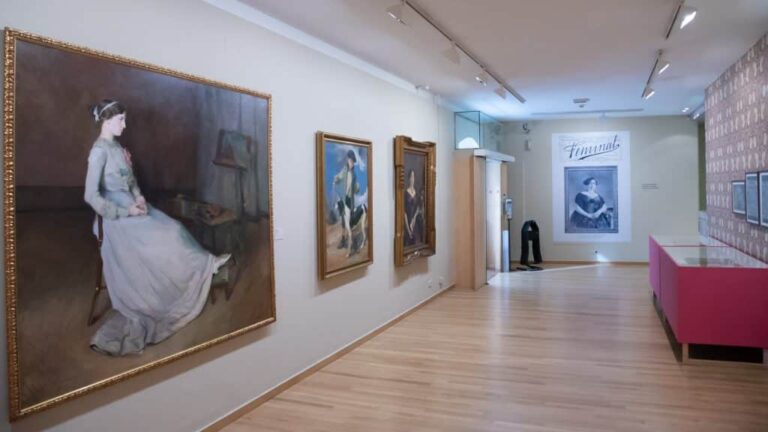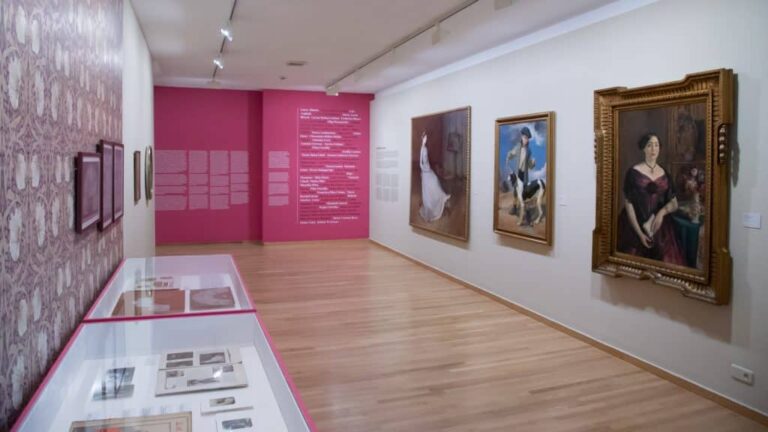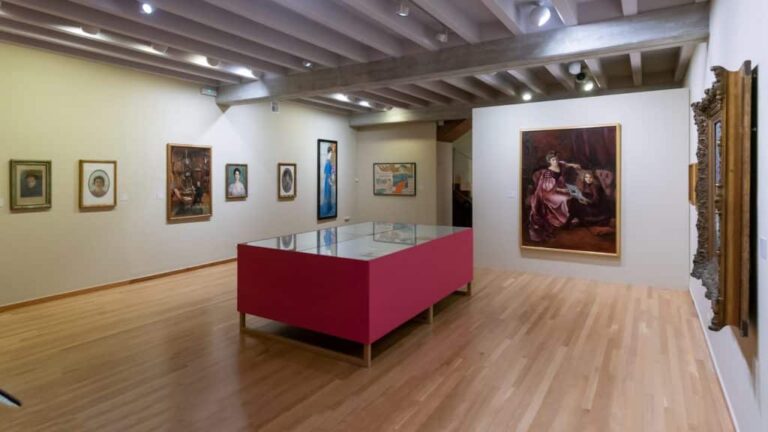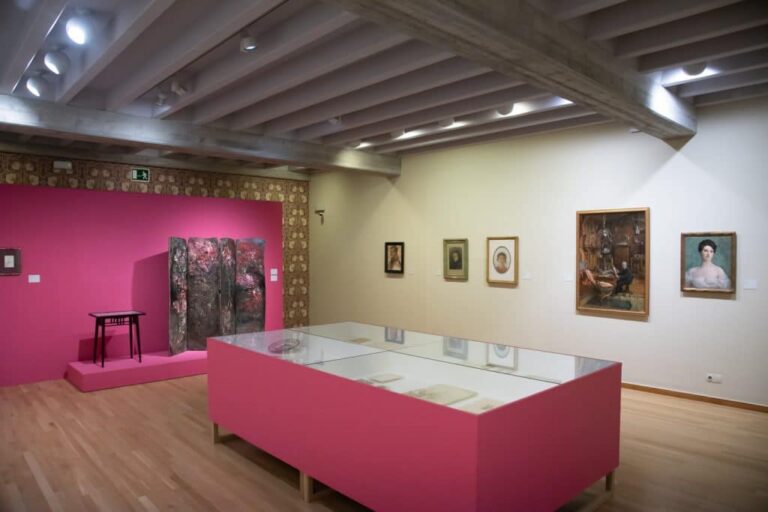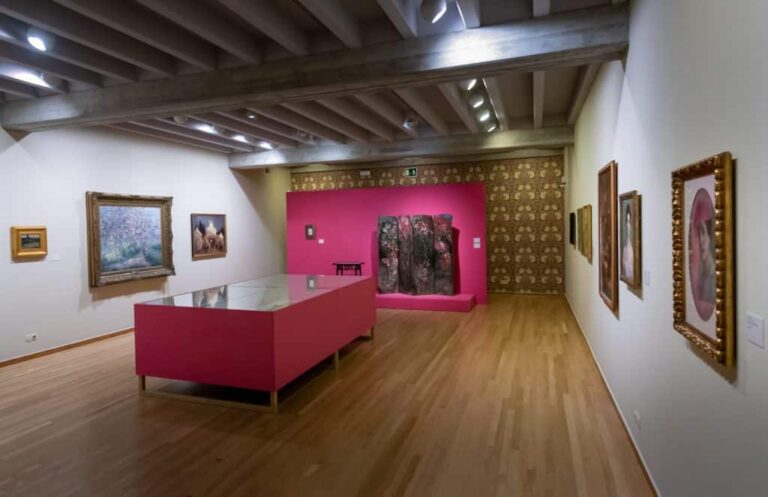


Pilar Montaner and Maturana. Next to the screen [La modela or Sa Pollencina]. 1908. Private collection
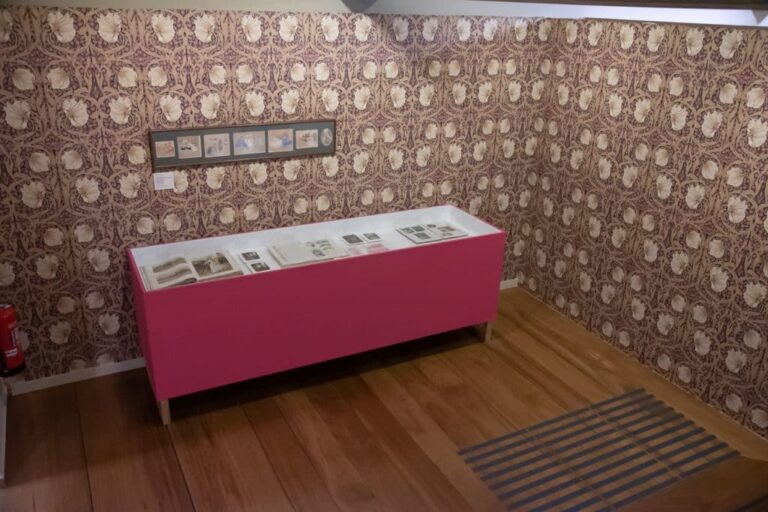
Feminal was the first magazine directed and written by women to be published in Catalonia. It was published monthly in Barcelona as a supplement to La Ilustració Catalana from 1907 to 1917. It was promoted by women from the bourgeois and Catholic circles and was inspired by similar magazines that, under the influence of suffrage, were published in major European cities. In almost all issues of the magazine, the visual arts were often present, either with articles dedicated to exhibitions by artists of the time or with monographic reports on some of them. More than seventy artists, Catalan and European, mostly painters but also sculptors, poster artists, illustrators and, to a lesser extent, bookplate artists, enamellers or photographers, were mentioned. We know very little about many of them and even less about their works, which were of very diverse quality. None of them had the same conditions as their male colleagues: they did not have the same spaces for training, criticism, exhibition or public reception and they had few female role models. And most of them ended up abandoning art to dedicate themselves to their families just when they were starting to shine. Almost all of them have remained silent for years.
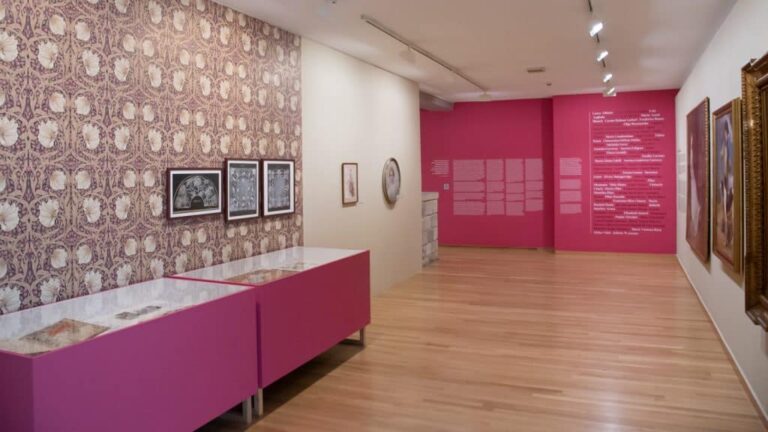
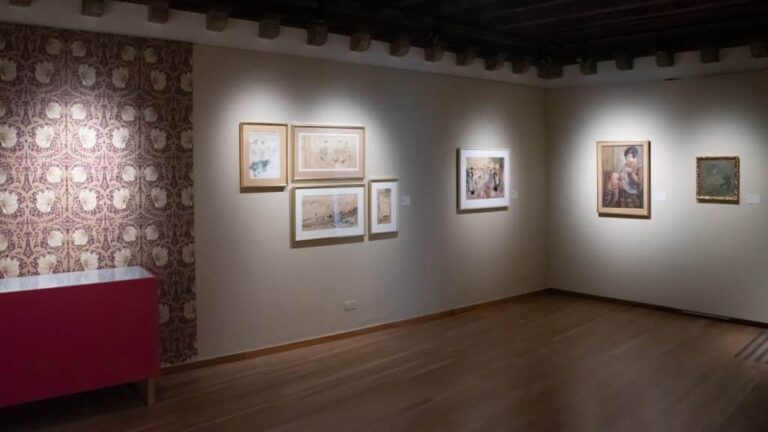
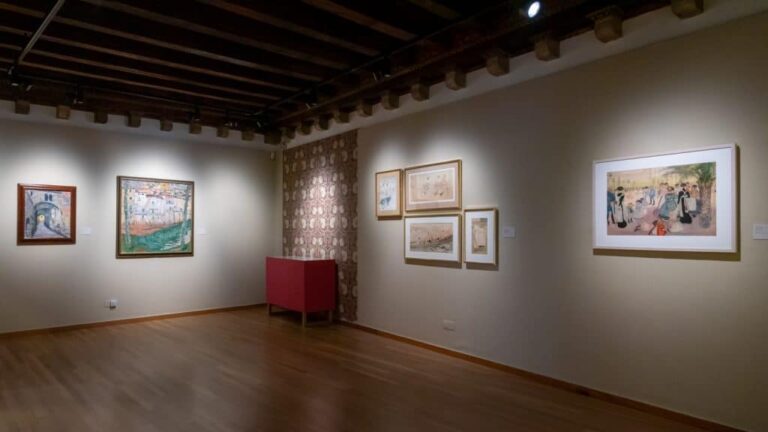
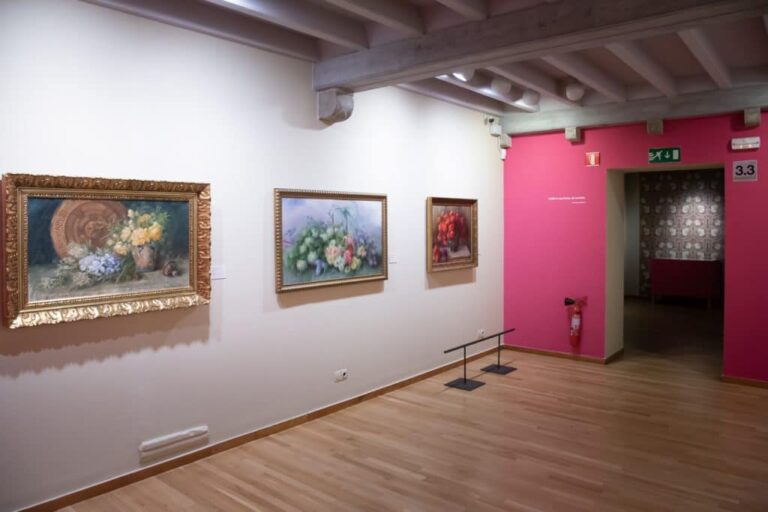
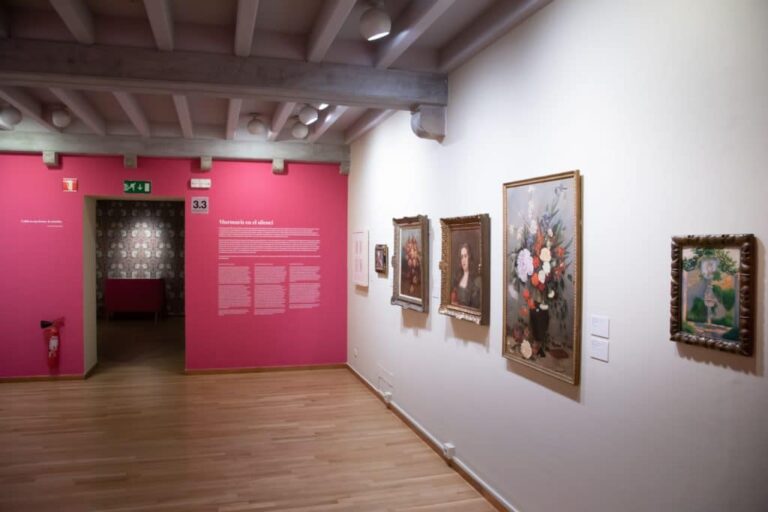
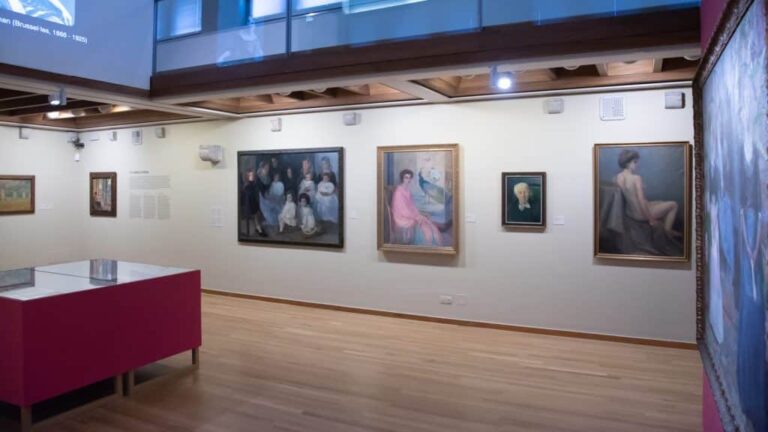
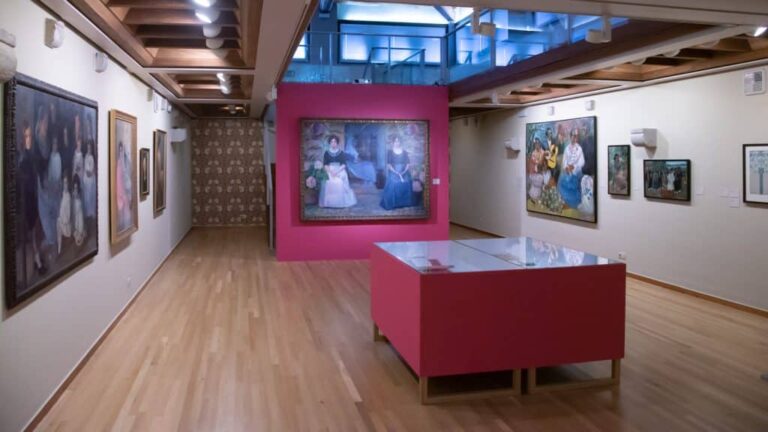
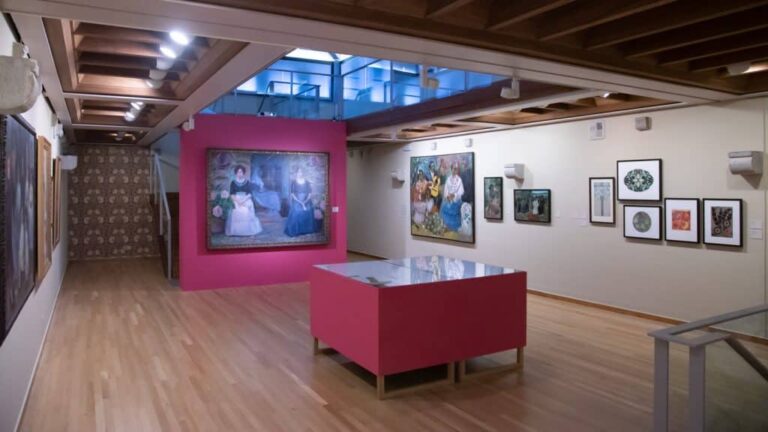
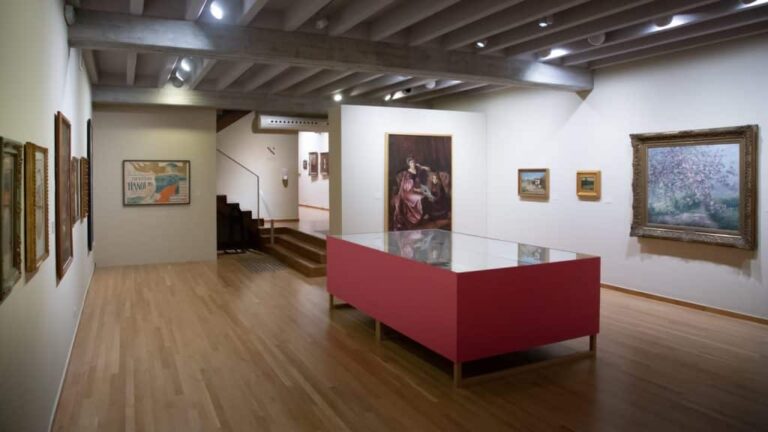
This exhibition brings together around twenty artists, with works from national and international museums and private collections. In many cases we only bring to light and exhibit one, two or three works by artists we may never hear about again. The importance, however, lies in showing that, despite all the obstacles, each of them knew how to create their own space of freedom to develop their artistic aspirations. Feminal was one of these spaces, in which they helped each other and found the strength and support that society did not yet offer them.
With the exhibition we want to invite you to reflect on the reasons why a generation of women artists is disappearing from our art history and the need to make them present and enter into dialogue with them from the present moment. At the same time, it wants to be a recognition of the fundamental work of the historians who have begun to snatch them from the silence into which they had fallen.
The exhibition is divided into three exhibition areas. In the first, a discourse is developed on the few artists who appear in the publication and who have already been addressed in texts and exhibitions, so that their fundamental work has been recognized. In the second area, the narrative of the exhibition leads us to know the artists who, for various reasons, have little-known works or that are hardly preserved; also those of whom we have some works —texts or exhibitions—, but not enough to be considered to have been studied in depth. Finally, we delve into three particular stories; these are women whose works have been preserved in the privacy of their descendants’ homes, which has allowed us to know a greater number of them and show them.
The search for something lost is undoubtedly the origin of memory.
Maria Zambrano
Some artists, still few, have broken their silence and are beginning to be recognized. This is the case of Lluïsa Vidal, Lola Anglada, Pepita Teixidor or Laura Albéniz. All of them were able to become professionals because, far from encountering obstacles or limitations in their own families, they enjoyed their support or simply did not marry and have children. As young people they were able to move to Paris, an essential place for art at that time to continue their training. The city opened up a new world to them, they were able to experience living alone, gained personal security and were introduced to the newest environments of art, which certainly nourished their talent. On the other hand, the considerable number of their works that have been preserved has facilitated their study and subsequent dissemination.
All of them have been largely redeemed from a pronounced oblivion thanks to the work done by historians whose persistent and enthusiastic work we would like to acknowledge: Consol Oltra, a specialist in Lluïsa Vidal; Joan Miquel Llodrà, a scholar of Aurora Gutiérrez Larraya and Adelaida Ferré; M. Isabel Gascón, who works on Pepita Teixidor, and Glòria Bosch and Susanna Portell, experts on the artist Mela Muter. Special recognition for the historian Núria Rius Vernet (1950-2021), a pioneer in the study of Catalan artists from the period before the Civil War and an expert on the life and work of Lola Anglada. Her studies are fundamental, as she researched and linked artists such as Lluïsa Vidal, Laura Albéniz, Maria Rusiñol, Pepita Teixidor, Emília Coranty and Mela Muter.


Forgetting is a form of lying.
Svetlana AlexievichAll these infinitely dark lives must be recorded.
Virginia Woolf
The fact that an artist, man or woman, becomes part of the history of art after death depends on the sum of many factors that intersect and react: that they have had a historical trajectory of exhibitions; that they have a critical fortune; that a considerable set of works is preserved in good condition in private collections, museums or foundations and that at least some of these are exhibited; that articles and essays are published about their work and, if possible, that a catalogue raisonné is available; that anthological or collective exhibitions are dedicated to them, with the respective cataloguing; and, in addition, that they have a good market price.
None of the Feminal artists enjoyed these circumstances, not even before they died. The subordination of the female gender, for centuries, prevented them, during their lives and after their deaths, from these success factors being happily concatenated in most cases. Many of these women abandoned their careers when they got married or had children and others were discouraged due to the strong pressure exerted on them by a totally misogynistic and prejudiced criticism, which always judged their works in relation to their gender. Later, they were not taken into account by the history of art either. For all this, we know very few works by a good part of these women and we know almost nothing about them. Only a few have had a more or less recent exhibition or publication, but this has not been enough to be sufficiently known or for their study to have continuity.


I don’t want you to hijack my thoughts.
within agreed facts or formulas;
I want, like birds, free wings
to fly at all times,
now to the right, now to the left, through space
full of infinite invisible routes […].Caterina Albert (Víctor Català): «Insubordination»
Preserving the artist’s memory depends, most of the time, on their descendants loving art and wanting to preserve the works; unfortunately, however, this is not always possible: changes of residence, little recognition of the ancestor or simply a lack of economic resources or space have caused the works to end up unsold or, in the worst cases, thrown in the trash. There are also families, however, who have kept and cared for works and memories with care and love, regardless of the artist’s reputation and their value on the market. These families carry out a silent but essential job that, very often, is not rewarded with any help or public attention. And they are waiting for someone, from the history of art, to take an interest in breaking the silence and bringing to light the life and works that they have preserved. This is the case of three artists that, as an example, we present in the exhibition: Francisca Rius Sanuy, Aurora Folquer and Pilar Montaner.