

In 2016, the Museu d’Art de Girona experienced a traumatic episode. That year, six Renaissance panels attributed to the Girona painter Pere Mates appeared at auction, and two of them were identical to others that the museum had purchased six years earlier, in 2010. An exhaustive process of study and analysis of all the works eventually revealed that the first ones were forgeries.
That discovery planted the seed for the exhibition we now present, which at the same time proposes an evocative visual discourse around what we have called “the art of deception”. False Truths delves into the darkest and dirtiest side of the art market. It is a timely and daring proposal in an age in which lies threaten us disguised as post-truth, and in which simulation and falsehood seek a thousand strategies to appear credible.
The Nature of the Fake
DIEC. «Fake»:
1 1 adj. [LC] Not true, through error or deception.
2 1 adj. [LC] Not real, having only the appearance of something; not authentic.
2 2 adj. [LC] Taking on the appearance of something in order to deceive.
3 2 [LC] falsely loc. adv. a) Not according to the truth or reality, intending to deceive.
A fake is a deceitful artefact created or manipulated with a premeditated intention to deceive, fraudulent intent and the pursuit of economic gain. A fake is an object that enjoys the illusion of authenticity until it is unmasked. It is a fraud, a toxic and distorting agent of art, cultural heritage and historical narratives.
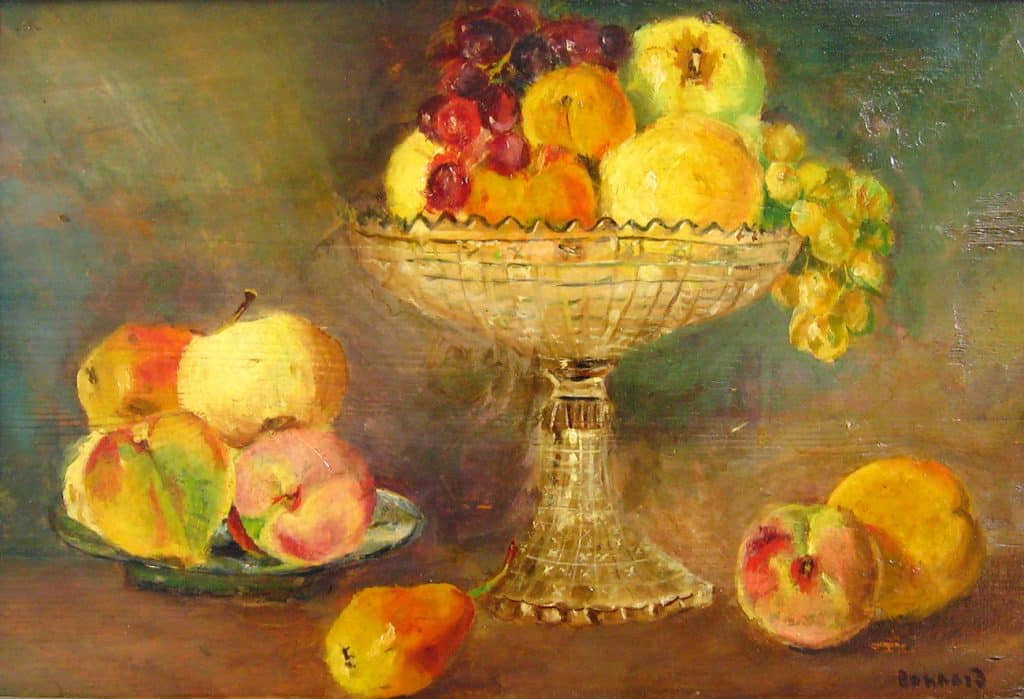
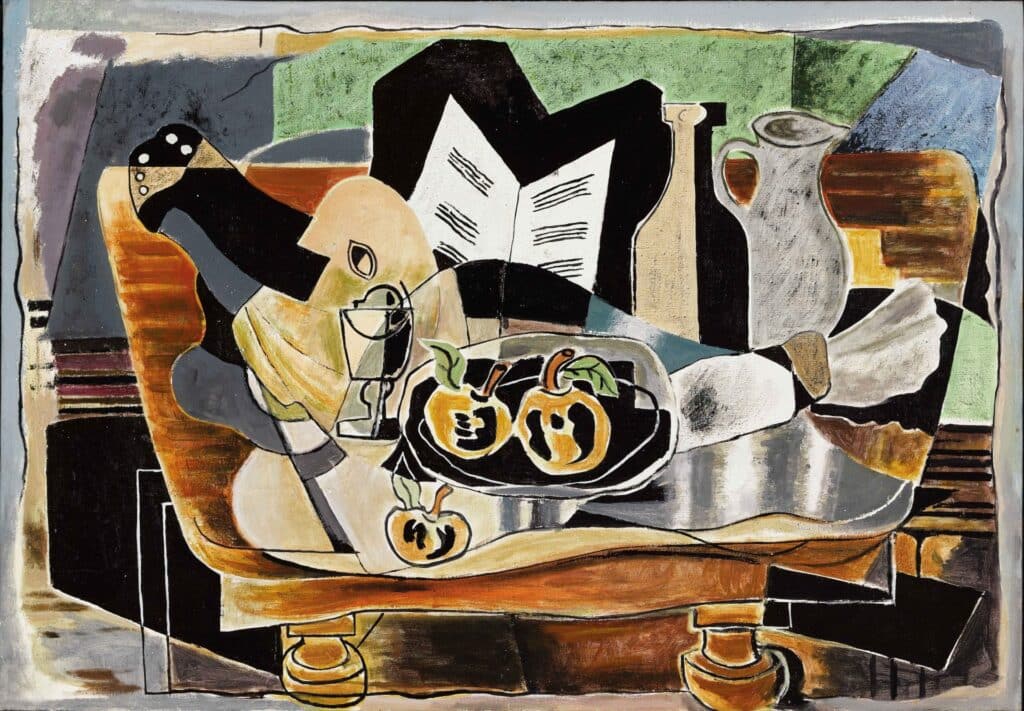
The history of forgery is a criminal history, driven by highly particular psychological mechanisms and by greed and vanity. But it can also be a fascinating — and morbidly attractive — story through the motivations, techniques and strategies of artistic forgery.
If we read or listen to forgers, we find that a significant number accepted the risk of crossing the red line into illegality out of resentment, because at some point in their careers they felt offended by a hostile art market and by a system of critics and experts who, in their very particular perception, did not value their work and talent as highly as they believed they deserved. It was a system — that of the art market and specialists — which they detested. According to them, it was full of powerful yet snobbish and ignorant collectors and arrogant, pretentious critics whom they wished to sabotage, ridicule or confuse by exposing their limitations.
Elmyr de Hory (1906–1976), pseudonym of Hoffmann Elemér, was a fanciful and elusive painter and forger. Everything in his life seems theatrical, beginning with his name and his airs of a “pop”-era aristocrat. After failing as a creator of original works in 1920s Paris, he devoted himself to forging artists such as Matisse, Chagall, Picasso and Modigliani. Much of his success rested on the cunning of unscrupulous dealers such as Réal Lessard and Fernand Legros, with whom he eventually maintained a stormy relationship. He spent the last sixteen years of his life on the island of Ibiza, where he committed suicide in 1976, distressed by an imminent extradition to France and the threat of a prison sentence. His story inspired the biography dedicated to him by Clifford Irving (The Story of Elmyr de Hory, the Greatest Art Forger of Our Time, 1969) and Orson Welles’s film F for Fake (1973).
“I have never ‘copied’ any work: first, because I am not that stupid, and second, because it does not interest me in the slightest. I let myself be inspired by a painter, I replace him, I penetrate his spirit, I ‘possess’ his style in the spiritual sense of the word, and thus I think that in some way I prolong his art. After all, it may be a way of paying tribute to him.”
— Elmyr de Hory, interview with André Brincourt, Le Figaro (1973)
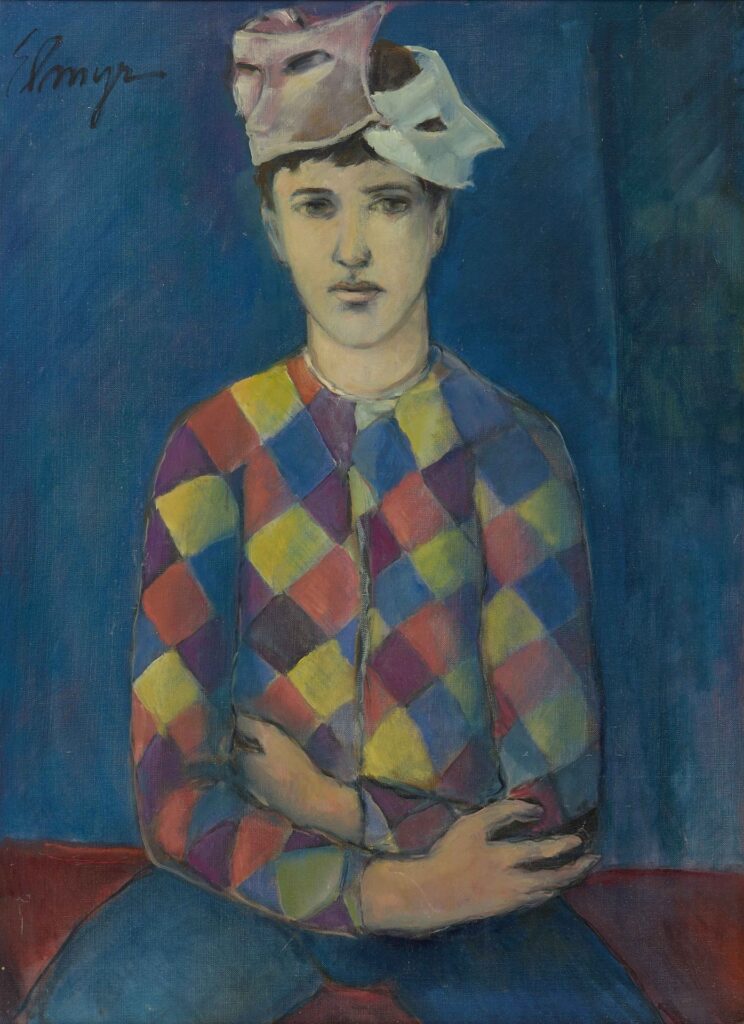
“If my paintings were hung in a painting museum long enough, they would become authentic.”
— Elmyr de Hory, F for Fake
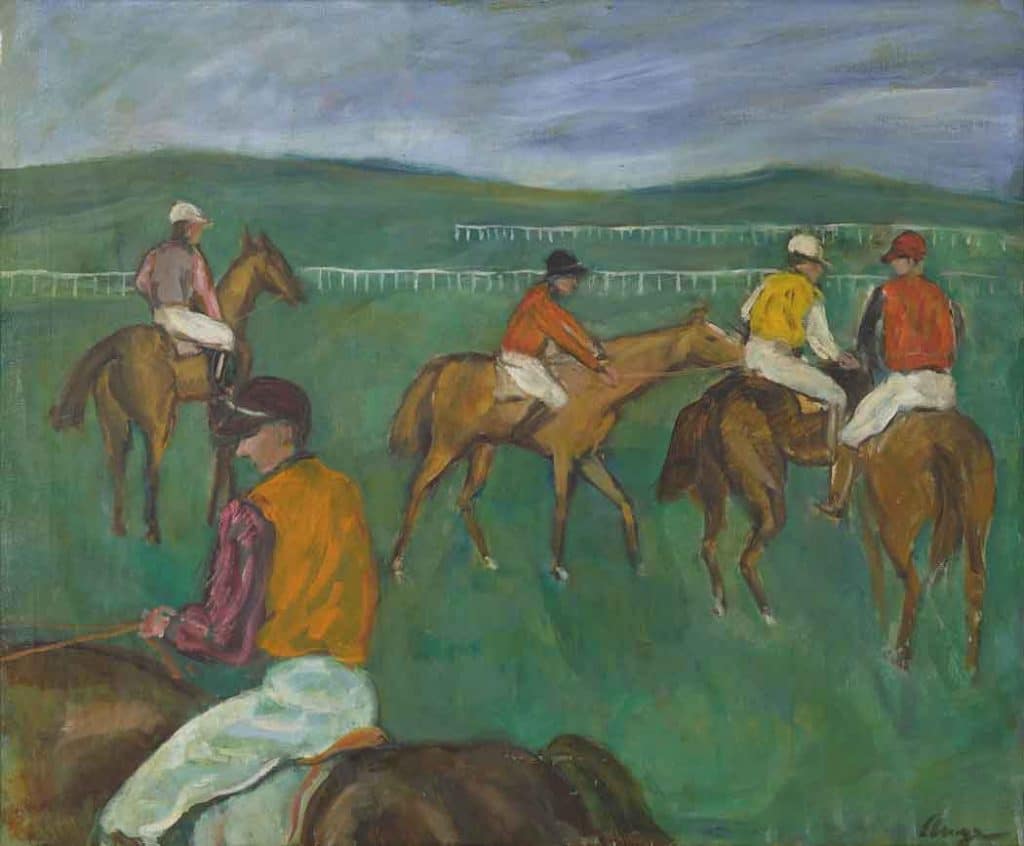
Greed has been one of the motivations of forgers, usually unleashed when they came into contact with money-hungry dealers and realised that they could earn far more through fraud than by trading in their own creations or working in restoration.
“The dealer is not interested in art; he is basically interested in profits, he values artists according to their price; the art historian is not really interested in art either, it is true that he studies it, but he is more interested in advancing his own career and gaining recognition and honours […]. In reality, art itself is neglected, no one truly studies it with the kind of honesty that is necessary, and although I cannot proclaim myself a model of honesty, I feel that in this respect I am honest, I mean that I try to understand something about art.”
Eric Hebborn, BBC documentary Portrait of a Master Forger (1991)
Eric Hebborn (1934–1996), trained in outstanding academies and demanding restoration workshops, cannot be denied technical and manual virtuosity, the secrets of which he revealed both in The Art Forger’s Handbook (1997) and in his autobiography Drawn to Trouble (1991). According to him, he created a thousand fake drawings by Old Masters (from the fourteenth to the twentieth century), which, through the art trade, penetrated institutions as prestigious as the British Museum and the Pierpont Morgan Library. He never faced the courts or prison, although he came close when he found himself cornered and shaken by the suspicions of the Colnaghi gallery, journalist Geraldine Norman and investigations carried out by major art historians such as Konrad Oberhuber.
Mockery has been the means used by some forgers to question the most idolatrous side of the cultural system.
The fake Modigliani heads invented by three students and a painter reputed to be accursed became a case of ridicule aimed at the initiative undertaken in Livorno, Amedeo Modigliani’s hometown, to dredge the canal surrounding the old quarter in order to test the legend that, in his youth, Modigliani had thrown his first sculptures into it after being upset by the highly negative criticism they had received.
The students and the painter produced three heads and threw them into the canal, hoping they would be found and considered works by the artist. Indeed, the city recovered the heads, and not even art historians realised they were fake; on the contrary, they praised them as seminal works by the great artist, until the three young men decided to confess.
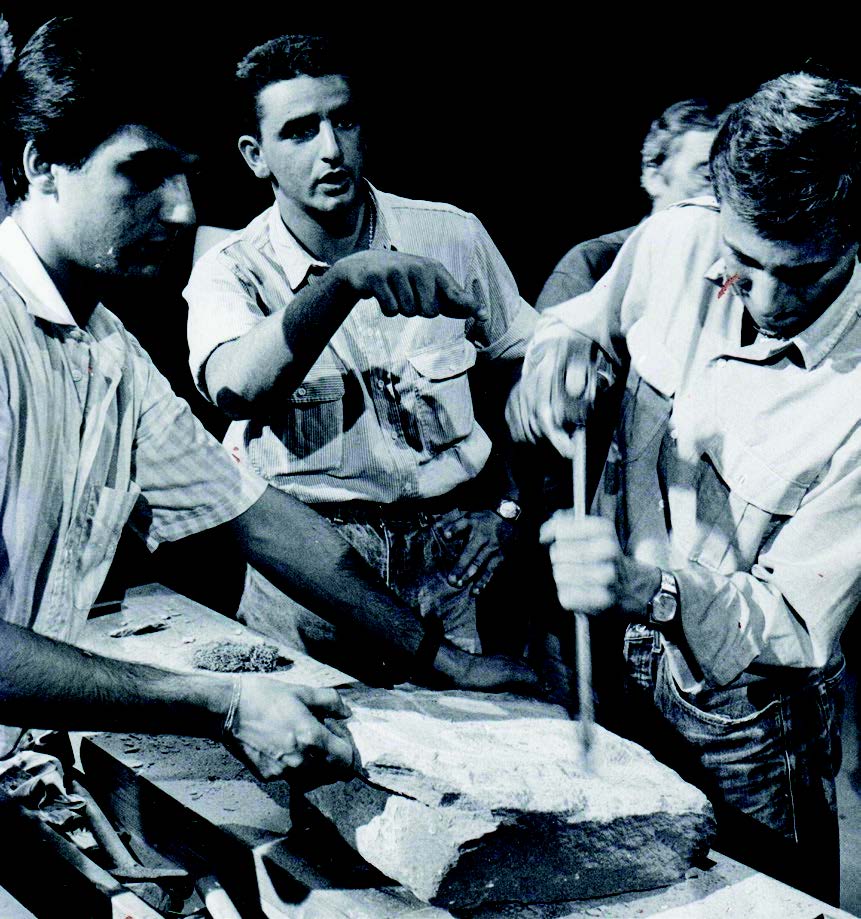
Psychological disorder has been another of the motivations behind certain acts carried out with the intention to deceive.
Mark Landis (Virginia, 1955), “the most famous art forger who never committed a crime”, is a paradigmatic case in which the trigger appears to have been a schizophrenic disorder (or, according to some, bipolar disorder). Over a career spanning thirty years, he “contaminated” the collections of forty-six museums in the United States. He never traded in his “creations”, since he donated them as gifts. It seems that what motivated him was the desire to gain the acceptance of museums and enjoy the flattery of gratitude and a fleeting moment of notoriety.
Within the intellectual game, the concept of the fake has become the driving force behind the creation of an original work devised to provoke reflections on art, genuineness and authorship.
Jusep Torres Campalans was a Cubist painter from Mollerussa, contemporary to Picasso, Modigliani and Mondrian, invented by the artist Max Aub, who endowed him with a biography, works, interviews and even a critical anthology and an exhibition project with a curator. Everything, of course, was entirely fabricated. The methodology underlying this ironic artistic deception is particularly interesting because it deconstructs a mechanism based on the truth of the author’s existence in order to construct one that is simultaneously false and real, as though it were a Cubist exercise in which all the facets of the (de)construction are valid and necessary.
The art forger creates new artefacts — though they scarcely deserve to be called originals — and aspires to introduce them into the market as legitimate works through a skilful camouflage of authenticity based, among other methods, on the invention of a false provenance and the falsification of authorship, generally through the emulation of the style and handwriting of an artist who is highly esteemed and valuable on the market, and whose signature can also be imitated.
Many forgers have based their success on dexterity and on mastery of an arsenal of techniques learned in painting and restoration workshops; on meticulous observation of old and modern masters in museums and collections; but also on a highly refined ability to anticipate the reasoning of specialists — the “fakebusters”, as Thomas Hoving (1996) called them — the hunters of forgery.
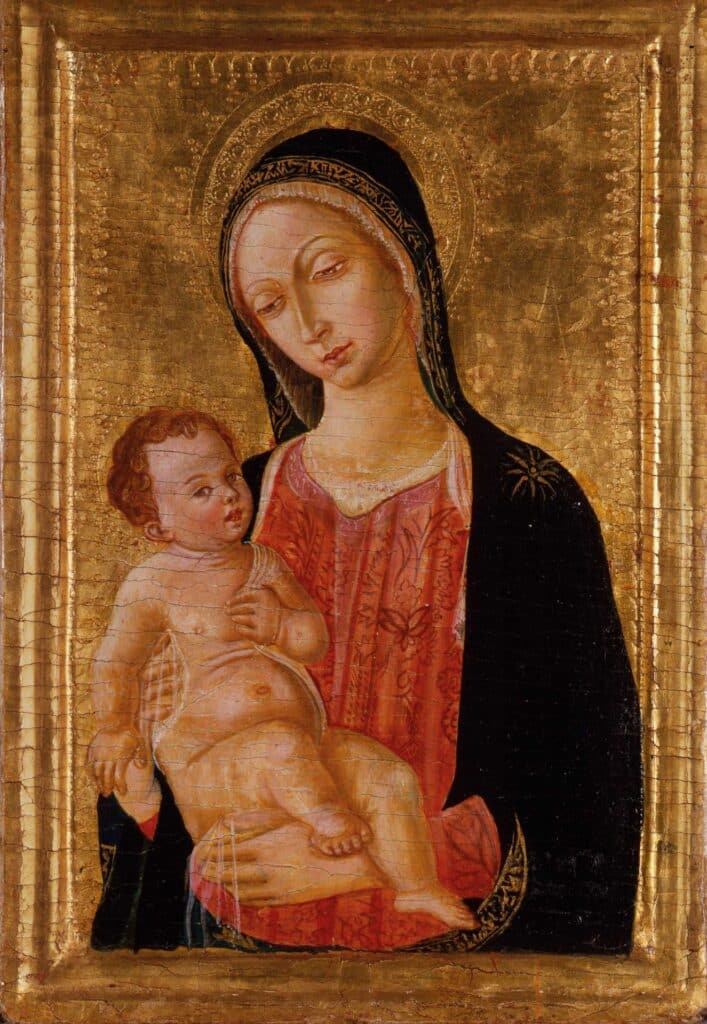
The origins of Icilio Federico Joni (1866–1946) exemplify how the impulse toward fraud emerged from the need to escape the poverty of an orphan abandoned at the foundling wheel of the Hospital of Santa Maria della Scala in Siena. One might say he enjoyed a triumphant career: he became a skilful forger of medieval and Renaissance painting, capable of deceiving the sharpest eye of the period, that of the American connoisseur and historian Bernard Berenson, and he never suffered any kind of legal persecution. Perhaps this impunity inspired his cryptic and coarse motto, hidden on the reverse of some works: the anagram PAICAP (“Per andare in culo al prossimo”).
Alceo Dossena (1878–1937), described by forgery scholar Frank Arnau as a “human anachronism”, recreated the sculpture of the finest Italian masters, such as Giovanni Pisano, Mino da Fiesole and Donatello. He did so with such prodigious skill that many assigned to his works the power of originals. Exceptionally, his career remained legally untarnished. He was prosecuted between 1928 and 1929 and acquitted for lack of evidence, since it could not be proven that he knew of the deception perpetrated by his dealers, Alfredo Pallessi and Alfredo Fasoli, who traded as ancient works the pieces he had created in Renaissance or Gothic styles.
“I was born in our own time, but with the soul, taste and perception of other ages.”
Alceo Dossena, cited by Frank Arnau in The Art of the Fake (1961)
Wolfgang Beltracchi (born 1951), a skilful and prolific imitator of paintings by Derain, Campendonck, Ernst and Léger, among others, devised one of the boldest stratagems ever conceived to legitimise the origin of his works: the invention of a past. He displayed an old sepia-toned photograph of his wife Helene’s grandmother. The grandmother appeared portrayed in a room where several avant-garde paintings from the twentieth century hung on the walls — paintings she had supposedly hidden from the Nazis and which her granddaughter claimed had later passed into the illustrious Flechtheim collection. Beltracchi intended to place these paintings on the market by alleging this “legitimate” provenance. In reality, the photograph and everything depicted in it were a sham, including the sepia tone: the paintings were Beltracchi’s own creations, and the grandmother was in fact Helene Beltracchi herself in disguise.
Although the deployment of skill and ingenuity may bring years of prosperity and a comfortable life, and perhaps even unhealthy private satisfactions such as seeing one’s own work hanging among masterpieces, in the end most forgers are discovered.
All those involved in the task of unmasking seek to identify the forger’s greatest enemies, what have been called “time bombs”: anachronisms. These may consist of pigments or supports that are out of period, or inconsistencies relating to the language, artistic codes or iconographic repertories of each era and author. In contemporary art, however, one must rely on almost police-like investigations aimed at identifying the origin of the suspicious work and reconstructing its traceability through collections and galleries. Experts say that no forgery remains unpunished for more than a generation.
Lothar Malskat (1913–1988) and Dietrich Fey (1912–2004) were responsible for one of the most notorious cases of forgery. In 1937, both men “restored” the frescoes of Schleswig Cathedral and St Mary’s Church in Lübeck, supposedly dating from the thirteenth century. After receiving high praise from art historians close to the German National Socialist Party, the paintings began to arouse suspicion; among other inconsistencies, observers were puzzled by the presence of a turkey in an ornamental border, a bird unknown in medieval Europe. The Nazi cultural system justified its presence by invoking not a “Columbian” but a Viking discovery of America, datable to the thirteenth century. In the end, the fraud was exposed when Malskat, jealous that Fey was appropriating the public acclaim generated by their joint interventions, went to the police to confess the scheme and demand “recognition” for his role in it.
Otto Wacker (1898–1970) and his brother Leonhard specialised in inventing and distributing works as though they were by Van Gogh. Among others, they succeeded in deceiving the Nationalgalerie in Berlin and important scholars of the master, who issued certificates of authenticity for paintings that the Wackers claimed had belonged to a Russian Tsarist nobleman who had taken refuge in Switzerland. They were ultimately unmasked thanks to the curators of the Berlin museum, who subjected the works to analysis revealing the use of materials that were not contemporary with Van Gogh. Charged with fraud, Otto was tried in 1932 and convicted of “cumulative fraud and document forgery”. It was the first trial in which scientific examinations were used to authenticate art.
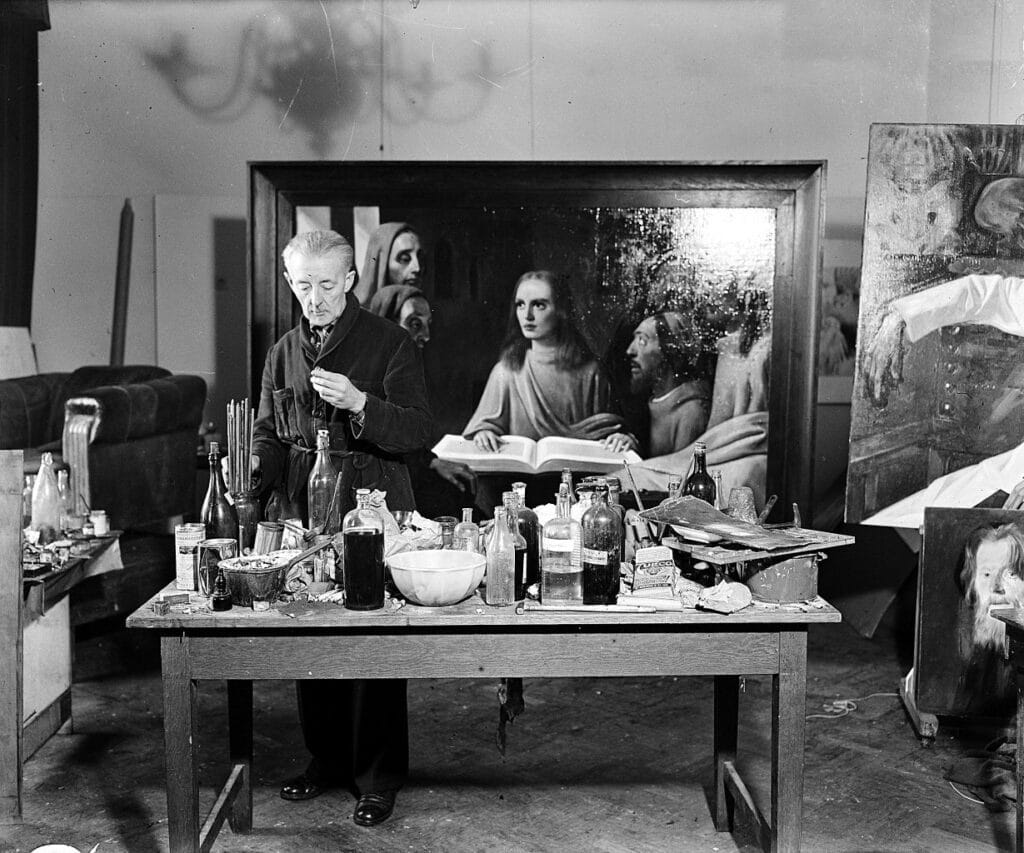
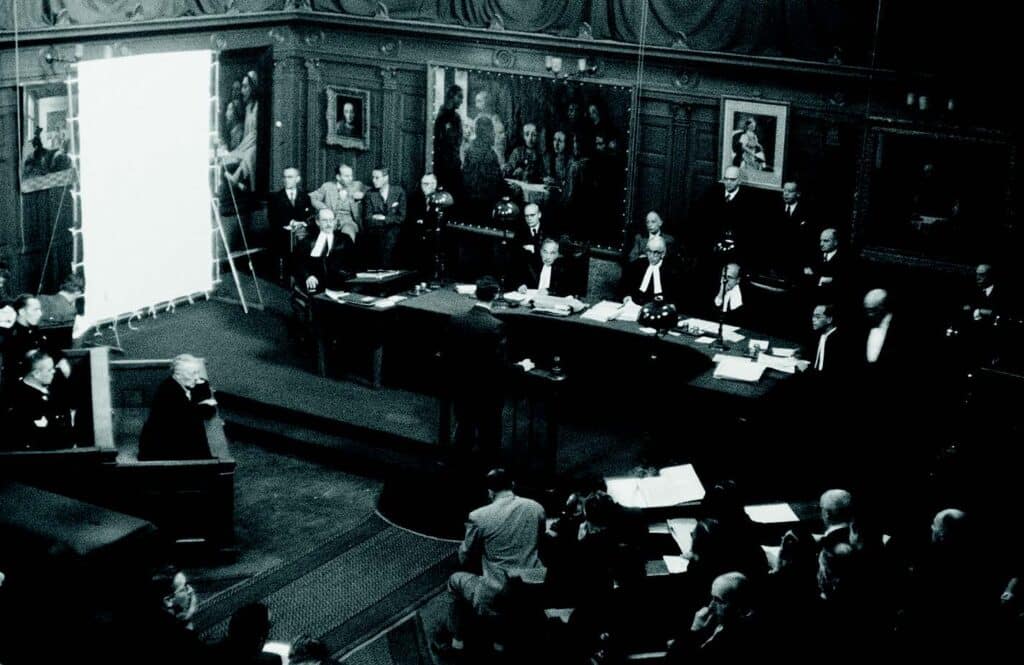
Han van Meegeren (1889–1947) entered the history of forgery through his fraudulent recreations of Vermeer’s work, which were acquired by institutions as important as the Museum Boijmans Van Beuningen and the Rijksmuseum, as well as by clients such as the Nazi marshal Hermann Goering, who purchased Christ and the Woman Taken in Adultery in 1942. After the Second World War, this led to his being accused of having handed over precious elements of the Dutch national treasure to the Nazis, a crime punishable by death. During the trial, he admitted — and demonstrated — that all the paintings were his own forgeries, and accepted an infinitely lighter punishment: a one-year prison sentence.
“Driven by the psychological effects of my disappointment at not being recognised by the artists and critics of my country, on a fateful day in 1936 I resolved to demonstrate my worth to the world as a painter, and decided to create a seventeenth-century masterpiece.”
Han van Meegeren during his trial (1945)
“I did not deliver a Vermeer to the Germans but a Van Meegeren. It is a Vermeer that I forged myself!”
Han van Meegeren during his trial (1945)
John Myatt (1945) and John Drewe (born 1948) formed a fraudulent partnership which, according to Scotland Yard, was “one of the most damaging forgery schemes of the twentieth century”. Myatt executed the paintings while Drewe fabricated prestigious provenances for them by infiltrating forged documents into various archives. Once discovered, Myatt served four months in prison out of a one-year sentence, while his accomplice Drewe served two years of a six-year sentence.
Today, Myatt runs a website on which he openly boasts of his career as “the greatest art fraud of the twentieth century”; he has starred in the series Fame in the Frame on Sky Arts and participates as an expert in the BBC series Fake or Fortune?
Some forgers, once discovered and accused of fraud and deception, served prison sentences — relatively light perhaps because their crimes were bloodless and based not on the destruction of heritage but on the “invention” of new yet illicit objects with serious economic consequences.
Once released, many reinvented themselves by changing — as one of them put it — their “business model”, often capitalising on the fame accumulated during their years of illegality. They devoted themselves either to creating original works or to producing genuine forgeries: acknowledged fakes sold through their own websites and accompanied by certificates of authenticity. Several wrote autobiographies, inspired literary biographies, documentaries, films or theatrical productions, and even became protagonists of television series.
A few met sad, even tragic ends — significantly, the three best known among them. Van Meegeren died only weeks after being sentenced to one year in prison (it is known that he was addicted to morphine and alcohol); Elmyr de Hory committed suicide at the prospect of imprisonment after learning that the Spanish State was about to extradite him to France; and Eric Hebborn was murdered with a hammer blow in a small square in Rome’s Trastevere district.
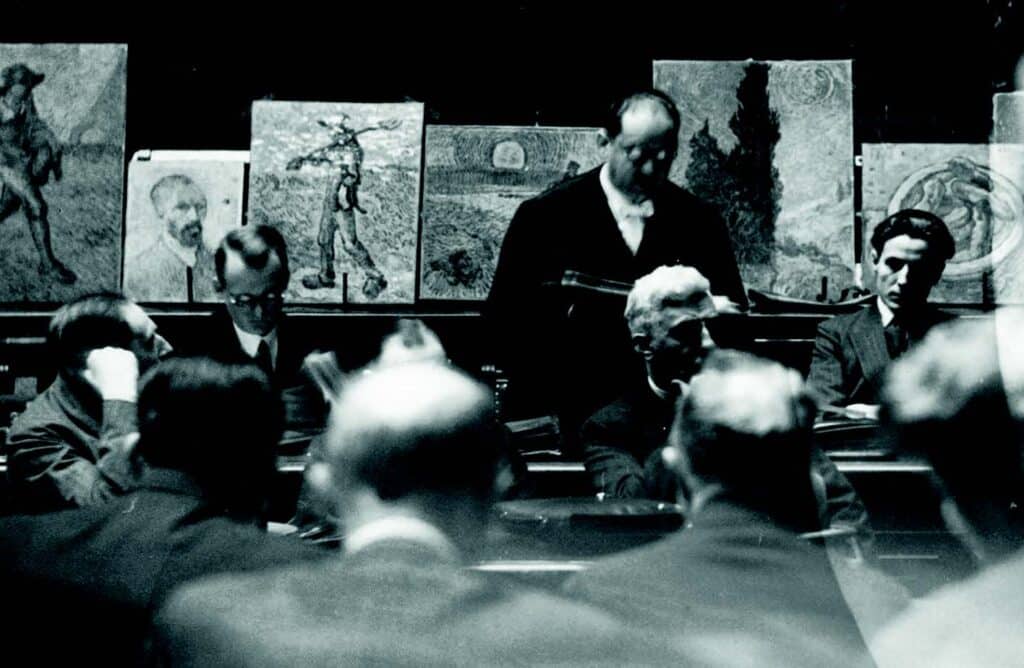
In our country, the underworld of forgery is far less well known, making it difficult to define its boundaries, assess its extent and characterise the most significant and decisive episodes in the memory of cultural heritage. It is difficult to know its protagonists in depth and to enumerate its victims. Nevertheless, today we already possess a distinctly local list of forgers and illicit practices demonstrating the considerable impact of this phenomenon since the beginning of the twentieth century. It was then that collectors began to fear it and the critic Feliu Elias observed and described it in the journal Mirador.
“Collections as important as those of Lázaro Galdeano, Emili Cabot and Mr Mateu dels Ferros are not exempt from forgeries, and the latter has been particularly punished by swindlers. […] Even during the lifetime of the painter Fortuny, his Catalan admirers forged his works and even his signature, and even today there are active workshops in Barcelona producing Nonells, Vayredas, Martí-Alsinas and whatever else may be required.”
Joan Sacs (Feliu Elias), Mirador (20 May 1930)
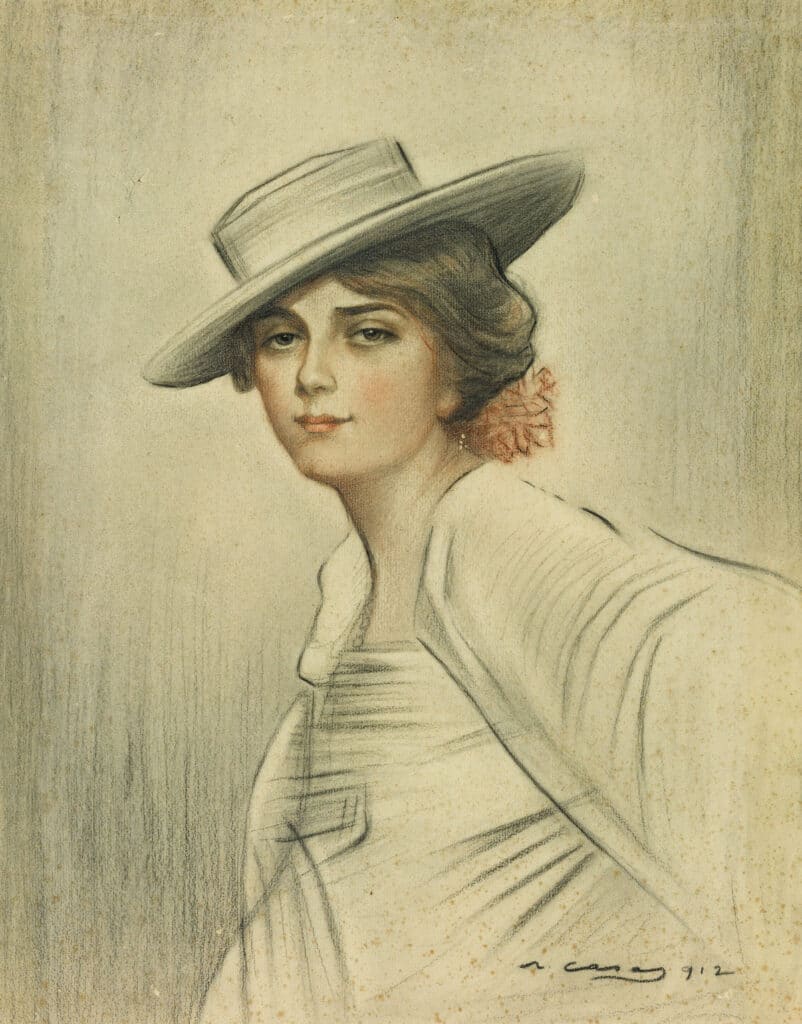
“Ramon Casas is by no means alone in suffering posthumously from forgery. We all know that for years paintings and drawings by Nonell, Picasso, Vayreda and Martí i Alsina have been forged, even those of Benet Mercadé — not to mention the fake Fortunys. More recently, paintings spuriously signed with the name of Santiago Rusiñol seem to have entered our modern art market!”
Joan Sacs (Feliu Elias), Modern Catalan Painting Forgeries (27 April 1933)
This was a highly scandalous episode with the atmosphere of a crime novel. According to the 1982 court ruling, the operation was orchestrated by the antiquarian brothers and “restorers” Llorenç and Ferran Monjo Carrera, who involved the director of the Solsona Museum. In the early 1970s, the museum director handed over several works from the collection — six panels and three sculptures — ostensibly for restoration. The brothers’ intention, however, was quite different: to have them copied, return the copies to the museum, sell the originals and divide the profits. Alarm bells rang when the authentic works surfaced on the antiques market. In 1985, the originals returned to the Solsona Museum.
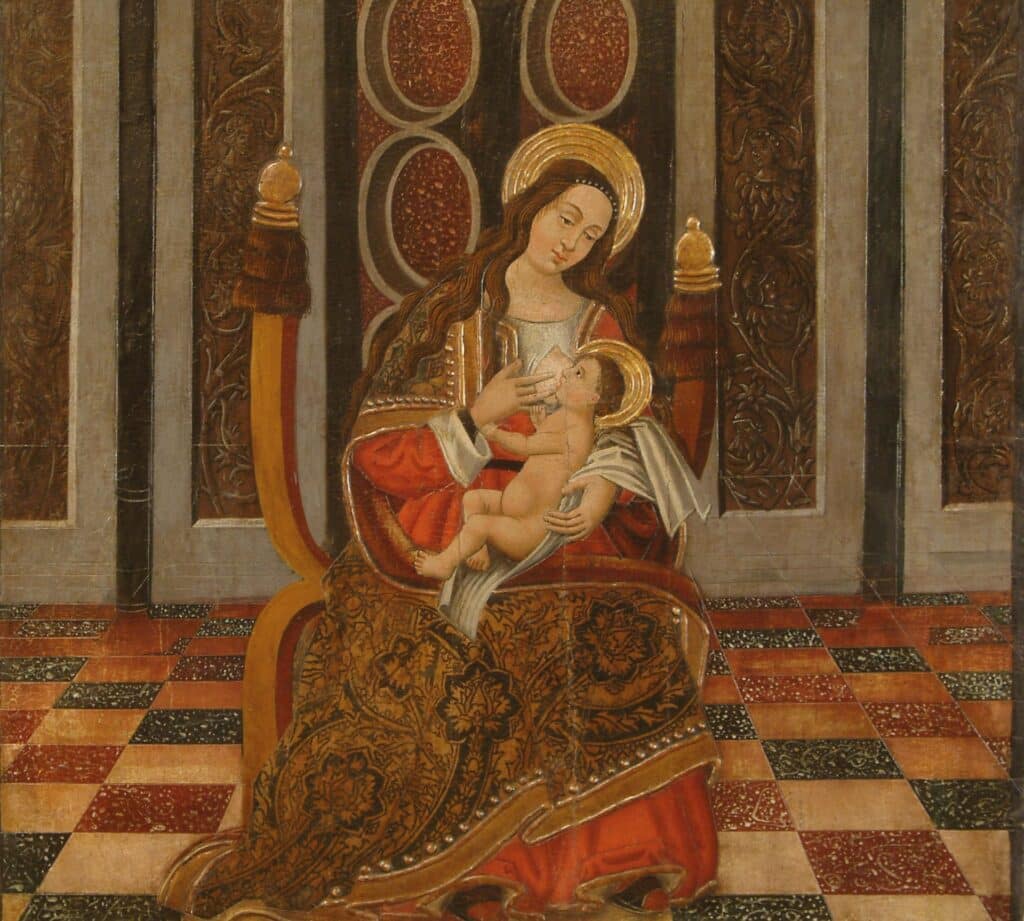
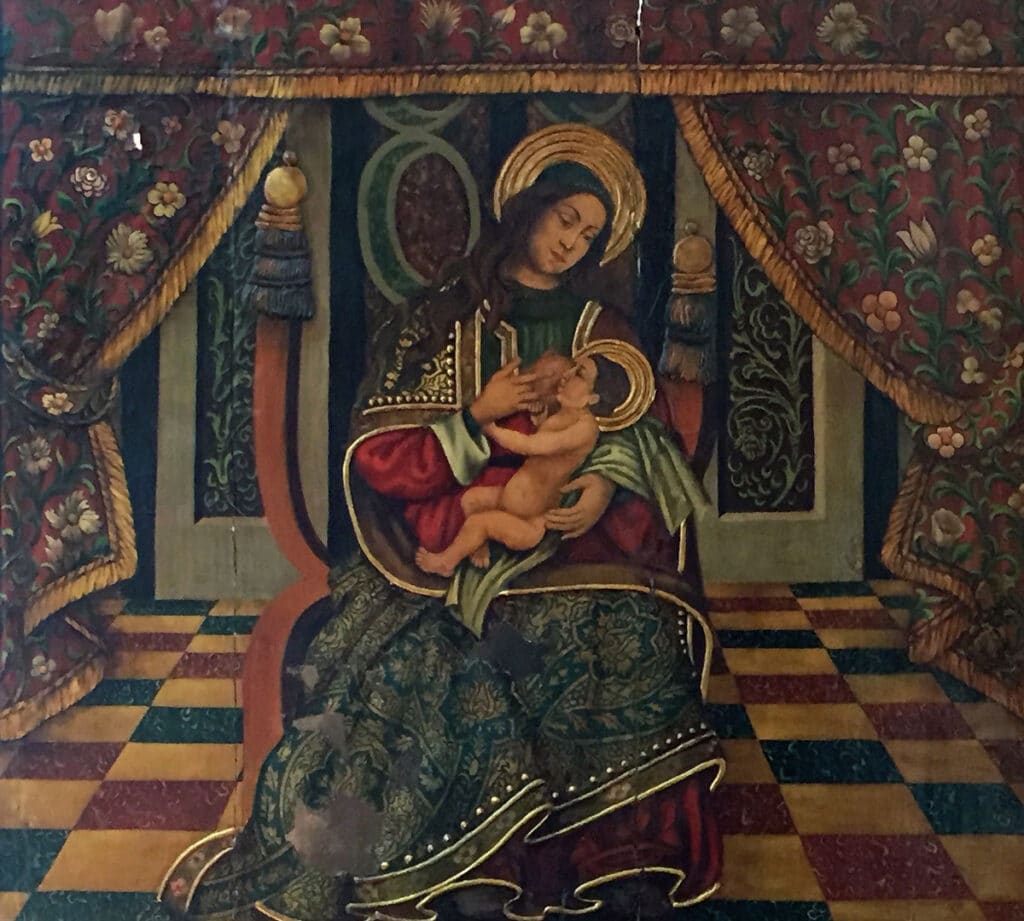
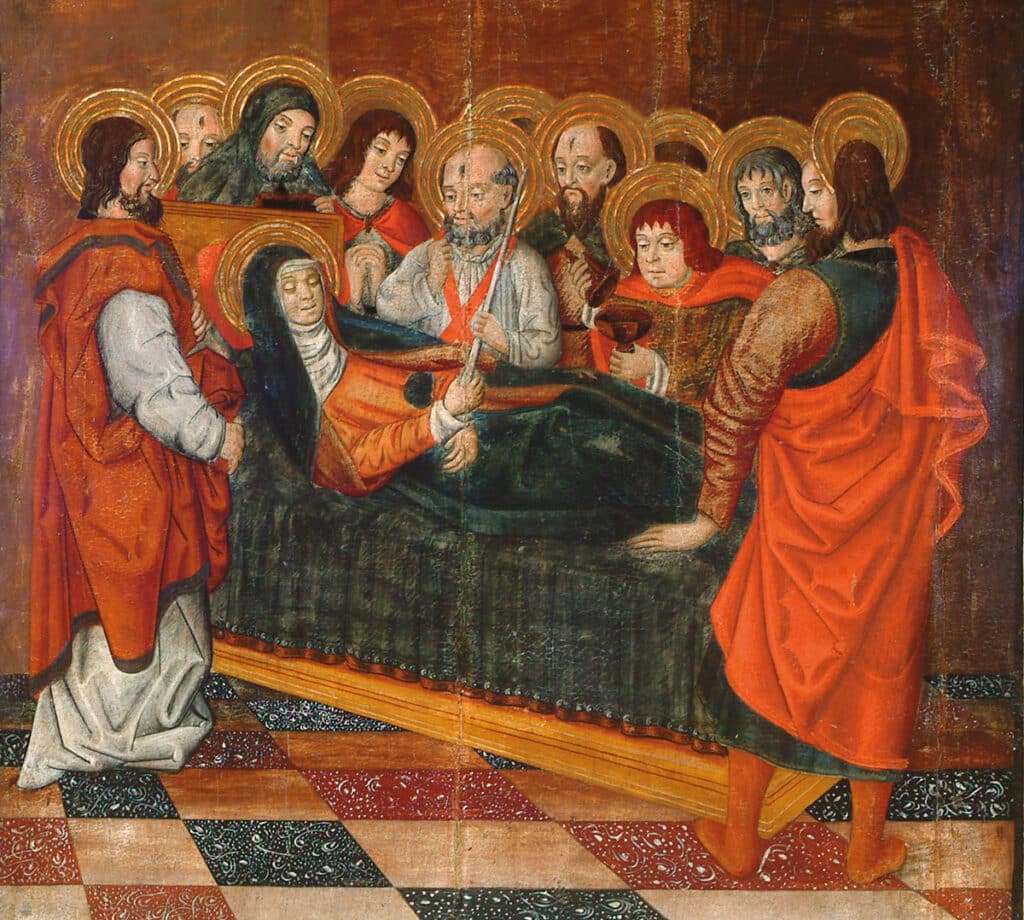
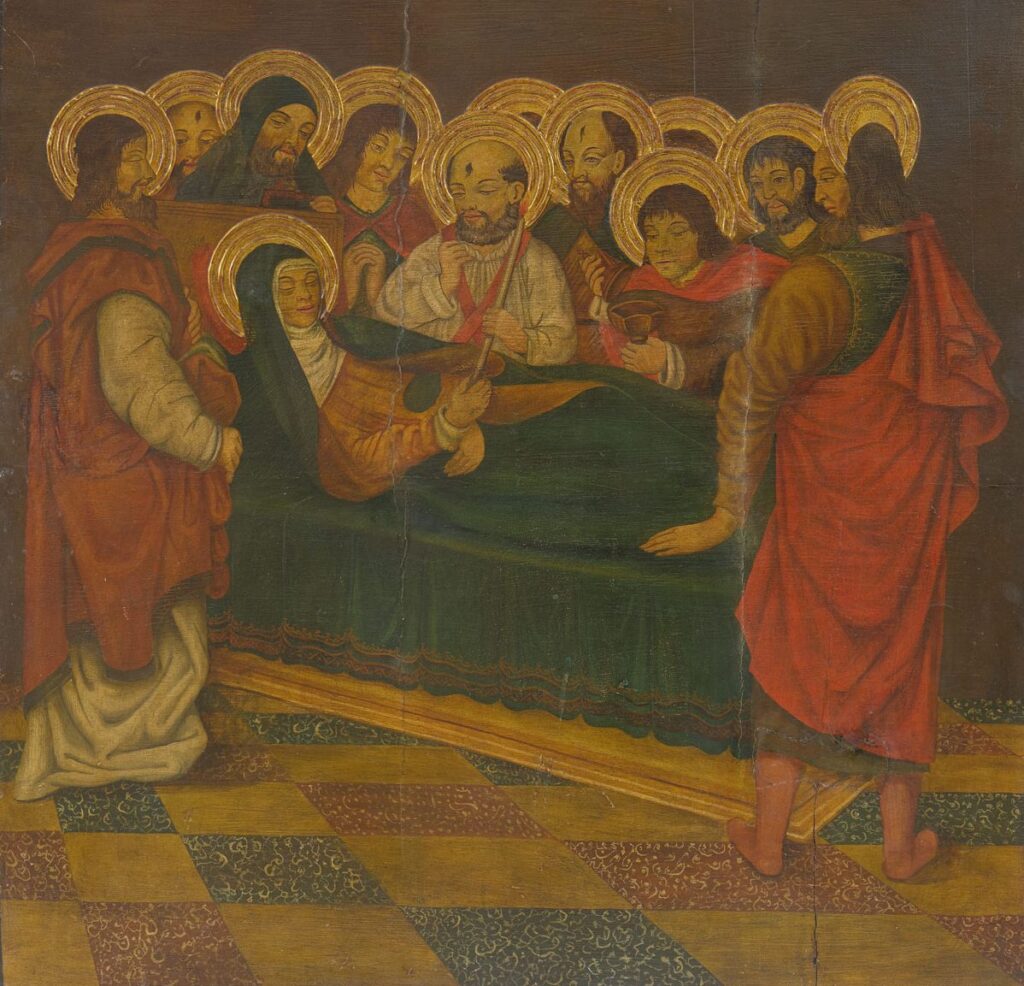
The Museu d’Art de Girona preserves the largest and most significant group of works by Pere Mates (c. 1490–1558), born in Sant Feliu de Guíxols and one of the most representative artists of the Catalan Renaissance. When, in 2010, the opportunity arose to acquire three works — painted wooden panels — attributed to the painter, their importance was never in doubt. The paintings corresponded to the published and known documentary and photographic references, although the works showed evidence of having undergone extensive intervention through excessive restoration.
Six years later, in October 2016, six further panels, also attributed to the painter, appeared at auction. Astonishingly, two of them were identical to those purchased years earlier. The coincidence suggested that the earlier works possessed a fabricated identity and that a murky and fraudulent practice might lie at their origin. The “Pere Mates case” erupted, the press reported widely on it, and studies and analyses began in an attempt to determine whether the works were false or genuine.
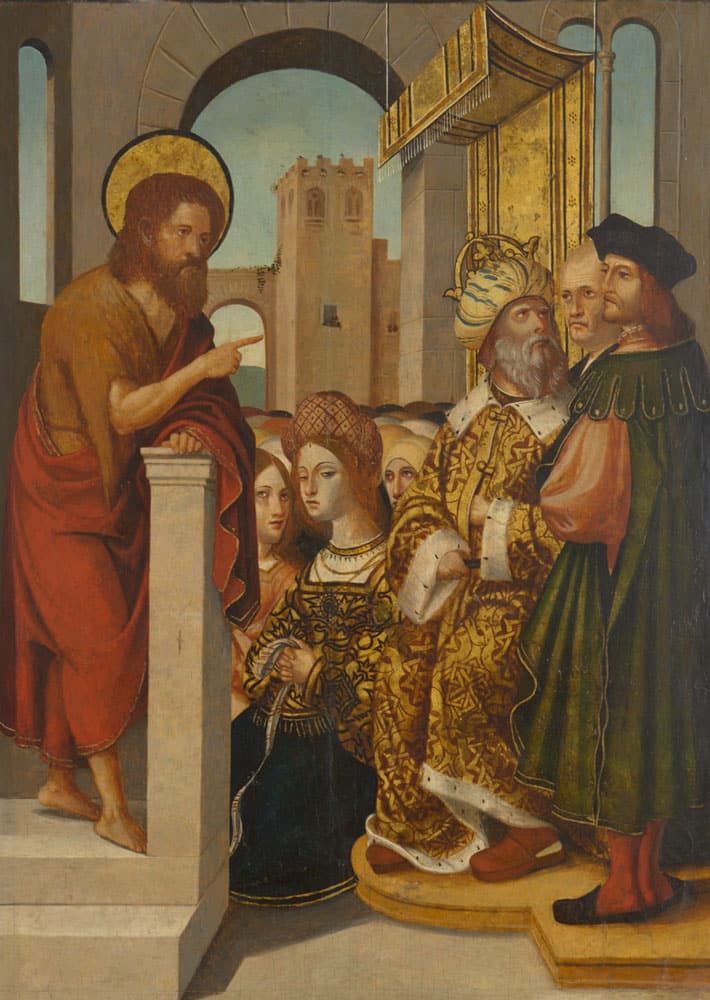
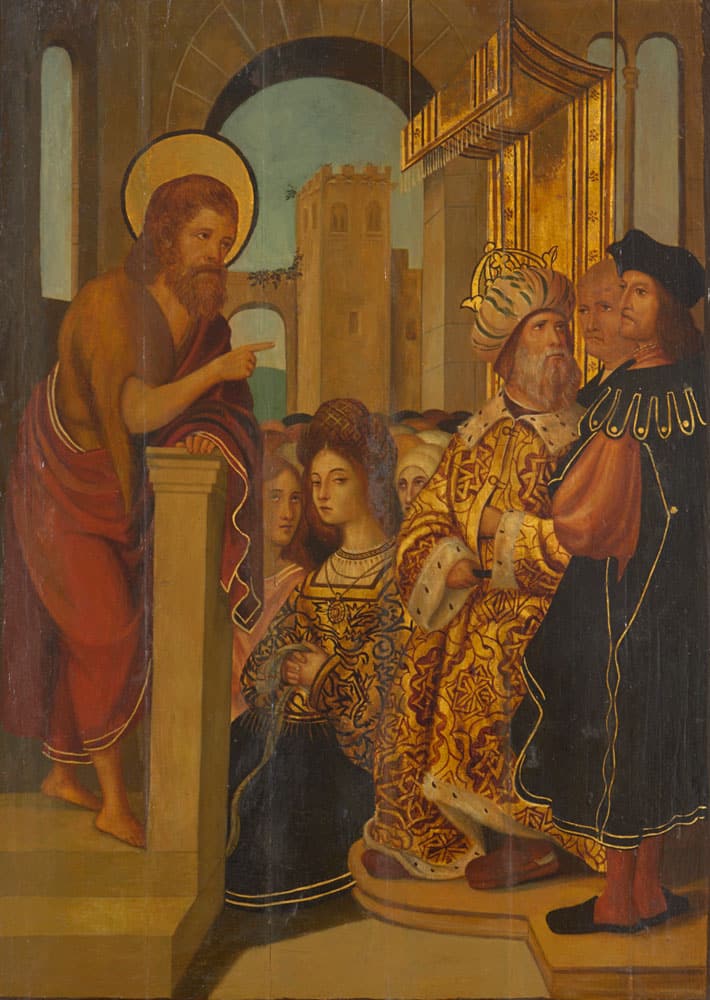
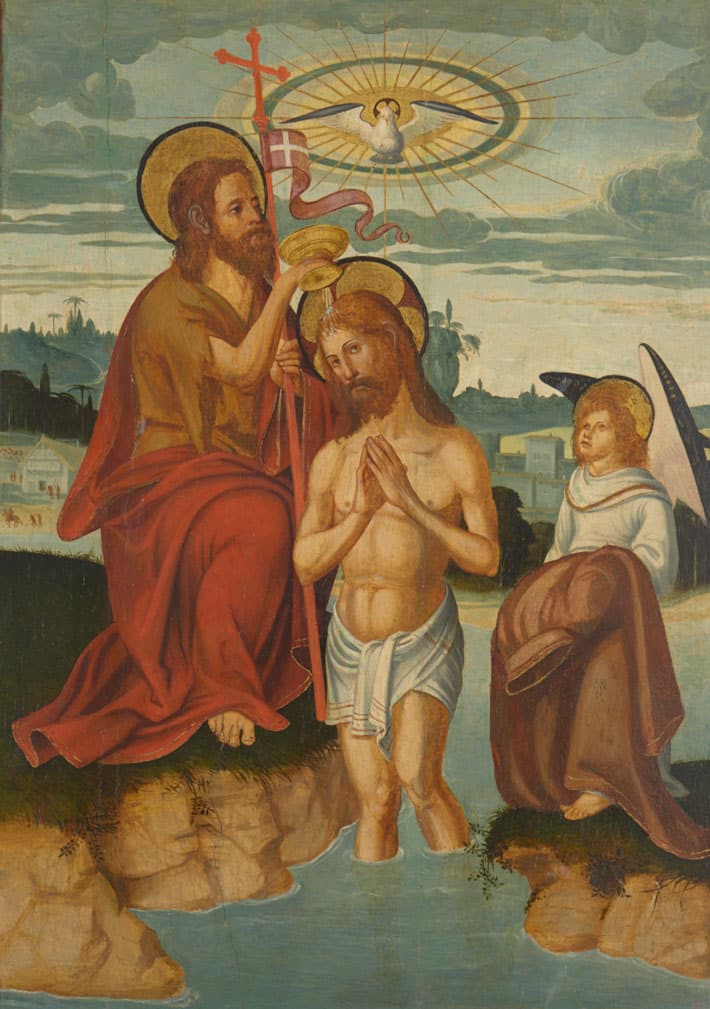
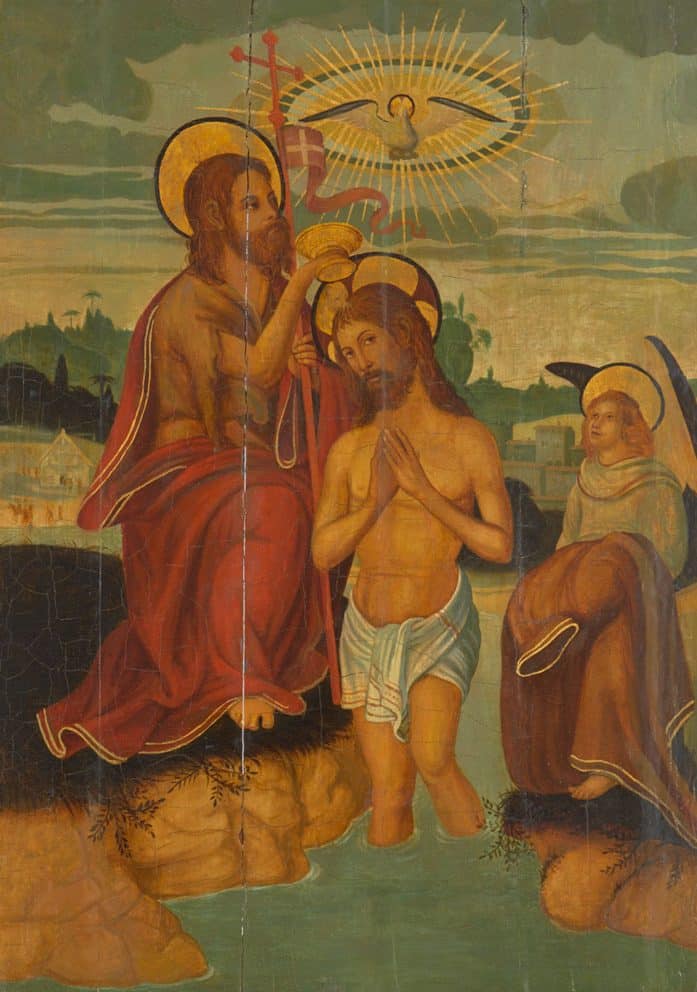
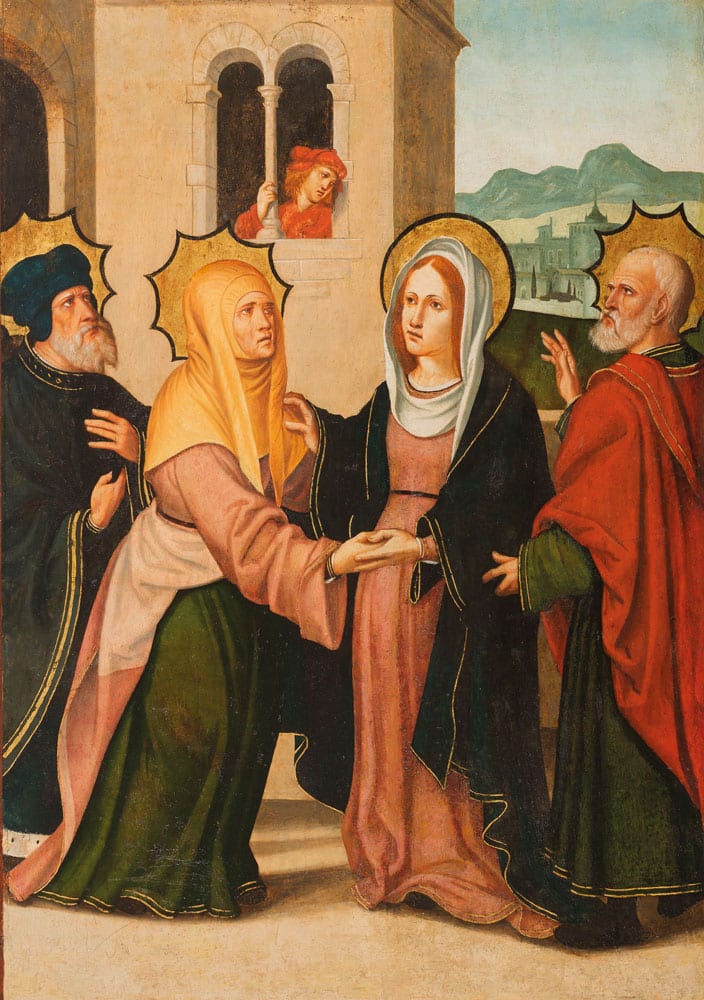
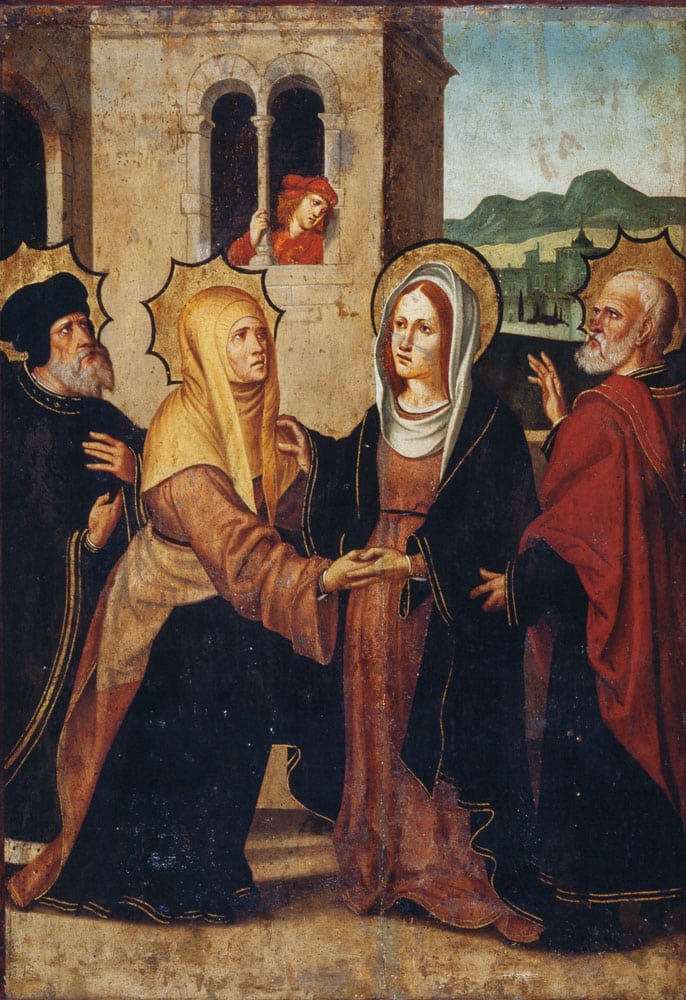
When three panels from the Altarpiece of Saint John the Baptist appeared at auction in May 2010, they were believed to be original works by Pere Mates. The composition, the details of the scenes, the drawing of the figures and even the virtuosity of some of the faces corresponded perfectly with the black-and-white photographs published up to that point. The small differences observed were interpreted as retouching added during a much later restoration.
The appearance on the market, in 2016, of further panels from the altarpiece, together with the fact that two of them were identical to those acquired by the Museu d’Art de Girona in 2010, raised suspicions that some of the works must be false. A series of technical studies and analyses was immediately undertaken in order to determine the nature of the various works and, insofar as possible, unmask the fraud.
The painter Pere Mates (c. 1490–1558) developed his body of work — fairly extensive, though largely attributed — between Girona, Besalú and La Garrotxa, during a period of artistic transition between the Gothic and the Renaissance. He trained with foreign painters who had arrived in Girona, especially Pere de Fontaines and Joan de Burgunya, with whom he worked in his youth and from whom he absorbed significant influence.
The historian and restorer Joan Sutrà Viñas (Figueres, 1891–1981) carried out an initial catalogue of Pere Mates’s work and identified him as the anonymous painter whom the art historian C. R. Post had recognised in 1958 as “the Catalan monogrammist”, because a group of works attributed to him bear the monogram MTAS/TVMAS.
Among the works attributed to Pere Mates are the eleven paintings belonging to the Altarpiece of Saint John the Baptist, of unknown origin and dated 1536 according to an inscription on one of the surviving panels.
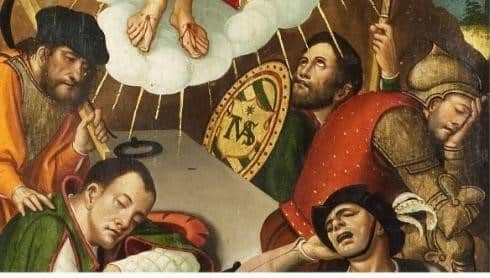
The eleven panels had belonged to the collection of José Estruch i Comella (1844–1924), a Barcelona businessman and banker. Ruined financially, he sold part of his collection in 1898 and pawned the remainder to the Banco Hispano Colonial in 1920. Probably at that moment, or shortly afterwards, Miquel Utrillo produced an inventory and valuation, while the photographer Joan Vidal i Ventosa carried out an extensive photographic campaign. In 1925, after the death of Josep Estruch, a major exhibition of his art collection was presented in Barcelona. In October of that same year, the recently inaugurated Sala Parés organised the auction. At that point, the banker and collector Josep Jover acquired all the panels of the Altarpiece of Saint John the Baptist for the derisory price of 3,500 pesetas.
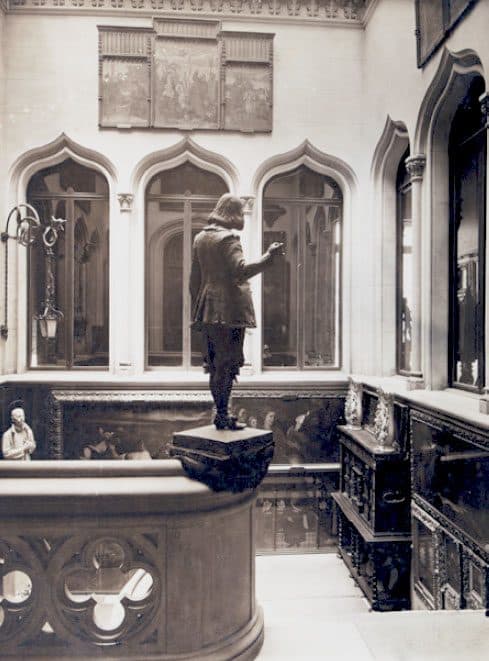
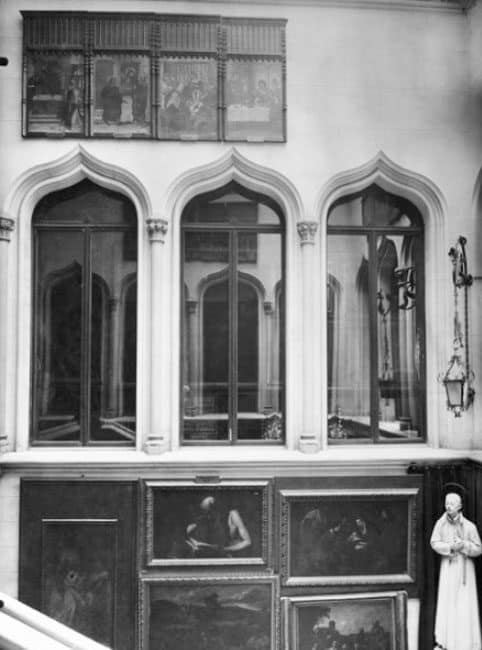
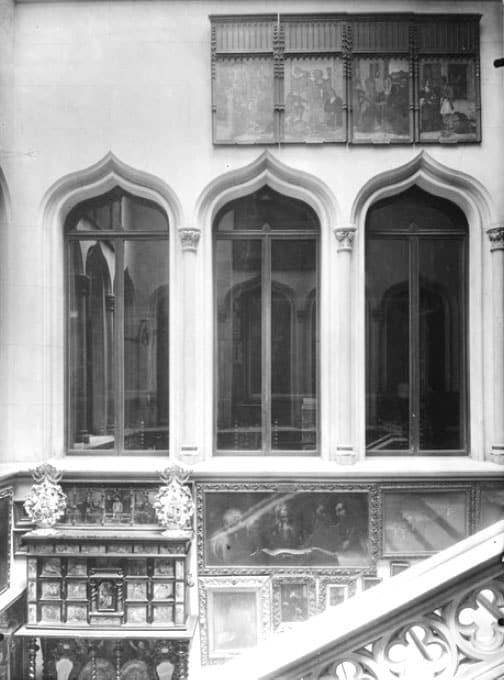
In 1956, Joan Sutrà published a study describing the various works attributed to Pere Mates, including the complete group of eleven panels from the Altarpiece of Saint John the Baptist, then still owned by Jover, reproducing four photographs of them.
Some time later, the panels were dispersed abroad, probably after being sold: two to Zurich, two to Lausanne, three to Paris and three more to London. In 1969, three paintings from the altarpiece appeared at auction in London, among them the Visitation. A few months later, on 18 March 1970, the Barcelona City Council purchased it from the Barcelona gallery owner Joan Antoni Maragall in order to incorporate it into the Museu d’Art de Barcelona. Today it is preserved at the Museu Nacional d’Art de Catalunya.
In 1975, at the first Barcelona Antiques Fair, ten of the eleven known paintings from the Altarpiece of Saint John the Baptist were exhibited together: the panel belonging to the Museu d’Art de Barcelona and the other nine, then owned by the Madrid antiquarians Manuel González and Álvaro Paternina.
In 1999, the panels Saint John the Baptist in Prison, Beheading of Saint John the Baptist and Salome with the Head of Saint John the Baptist, all belonging to Manuel González, were put up for sale. Five years later, in 2004 and 2005, they reappeared on the market, and their current whereabouts are unknown.
The remaining six panels are those acquired by the Museu d’Art de Girona in 2016. Two of them were identical to those the museum had acquired six years earlier.
The study of a work of art is enriched and complemented by physicochemical analyses carried out by scientists specialised in cultural heritage. The application of different examination methods and diverse instrumental analytical techniques, in a sequential and complementary process, gradually provides information — in some cases clues, in others certainties — about the constituent materials of a work and its state of conservation.
Close observation can help identify, with the naked eye, the technique and morphology of a work of art and detect inconsistencies, overpainting or additions. This observation, of both front and reverse, prior to all scientific analysis, makes it possible to gain a first impression of the work, raise questions and determine the analytical techniques and sampling areas needed to resolve them.
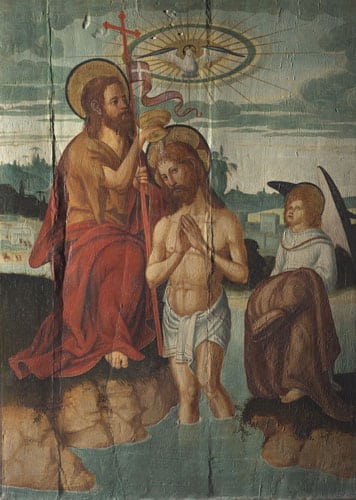
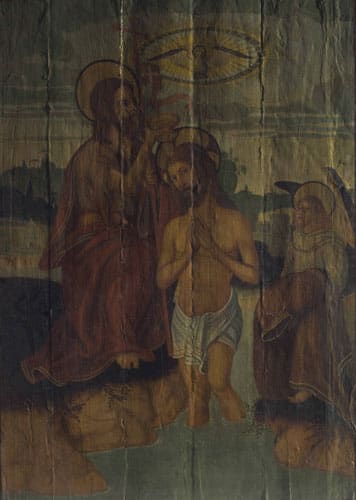
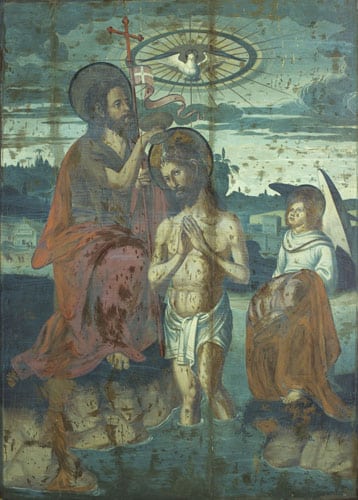
Photographic techniques are essential for the examination of a work and constitute the starting point for the application of further methods that will complete the material study. The work is photographed under visible radiation (with light applied in different ways and at varying levels of detail) and invisible radiation (ultraviolet and infrared light). The results obtained from each image provide new data for the analytical process.
Photography with raking light
Ultraviolet photography
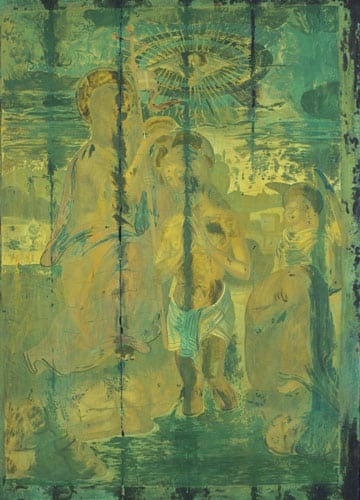
Digital infrared photography
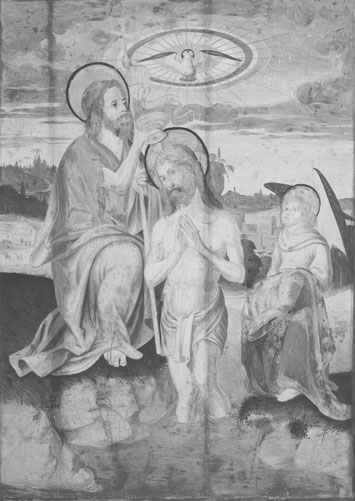
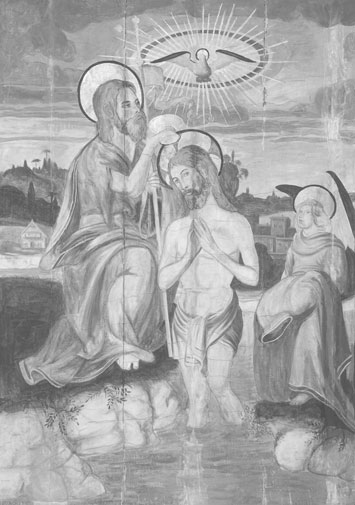
Following the various studies and analyses carried out on all the works attributed to Pere Mates, it was possible to conclude:
That the paintings acquired in 2016 had been produced in the sixteenth century, since they displayed materials in use during that period, such as lead white and azurite blue, and their morphology corresponded to that of panels and paintings from the time; and
That the three panels purchased in 2010 were copies — almost tracings — of the originals, produced after the first quarter of the twentieth century, since the support was made of pine and had been cut irregularly, the ground layer contained barium sulphate (a compound used from the nineteenth century onwards), and the pigments postdated the eighteenth century (Prussian blue was discovered in 1705 and titanium white only began to be commercially produced in 1921).
The Pere Mates case was therefore resolved, but only in part. Many questions still remain unanswered: who created the false works, and with what intention? Were they made with the intention of copying or with the intention of deceiving? Were only these three panels copied, or the entire altarpiece? New leads in a case we continue to regard as open will still need to be pursued.
Does the perfect fake exist? Can fakes possess any positive value beyond being proof of remarkable audacity and greater or lesser technical skill? Can they become “beautiful” and generate an aesthetic experience?
We are inclined to answer no to these questions, because we believe that authenticity is a fundamental value of the work of art and because we believe that an intimate bond is established between the viewer and the work, an enthusiastic relationship of surrender and absolute trust founded on the truthfulness of the work and on the sincerity and moral integrity of the artist — a relationship made impossible by the forger, who corrupts and perverts these principles. Perhaps because we believe in the changing yet indestructible aura of the work of art.
The exhibition is accompanied by the publication of a booklet containing texts in Catalan and English.
Presentation
Carme Clusellas
Director of the Museu d’Art de Girona
True Fakes, the Art of Deception
Joan Bosch i Francesc Miralpeix
Universitat de Girona
lnstitut Catala de Recerca en Patrimoni Cultural
The Pere Mates Case: Chronicle of a Discovery
Carme Clusellas
Director of the Museu d’Art de Girona
Fakes and Originals
Technical and Scientific Study
Josep Paret
Centre de Restauració de Béns Mobles de Catalunya
Conservator of cultural heritage and coordinator of the painting and wood sculpture specialty
Catalogue Entries
English translations