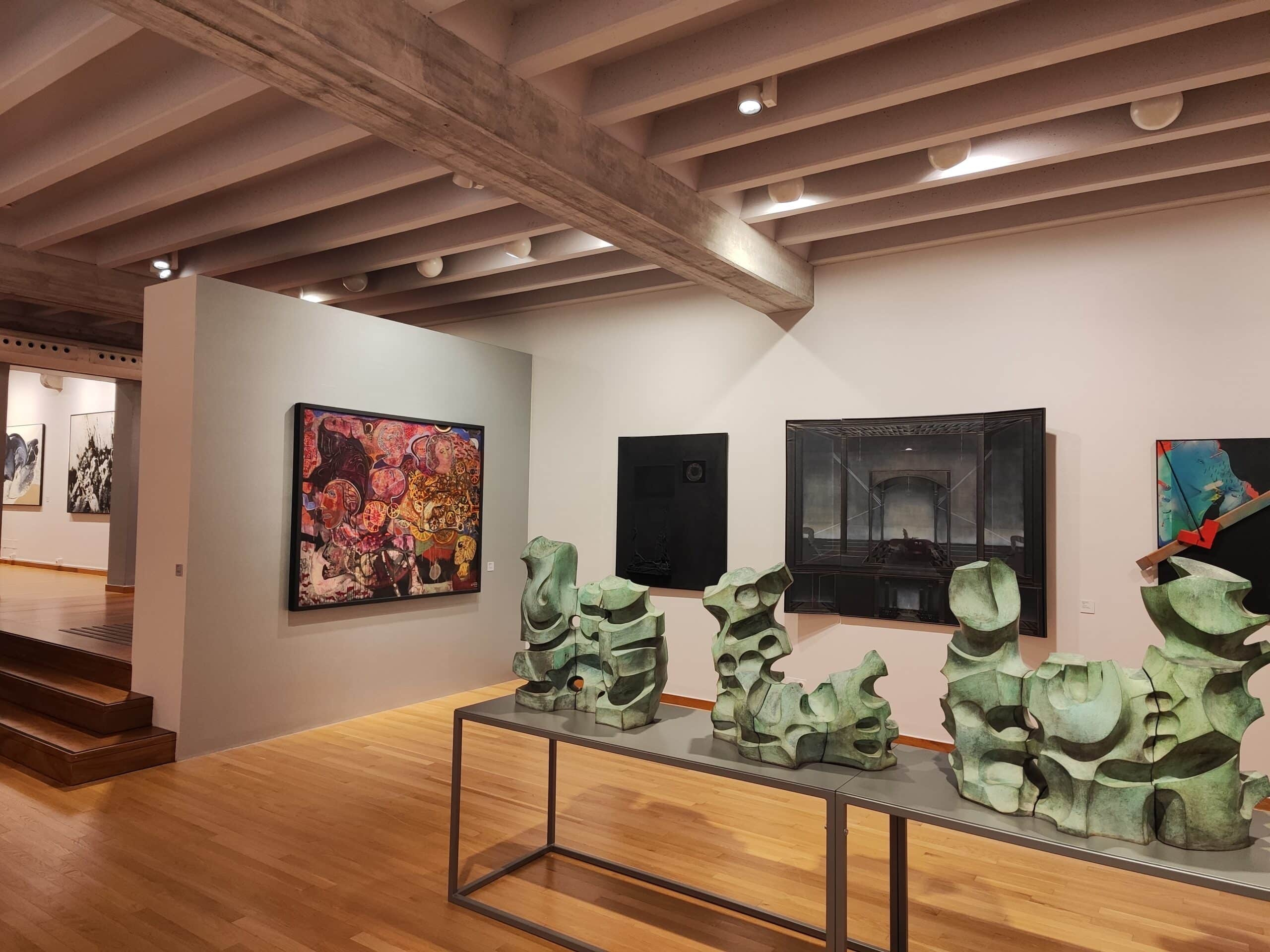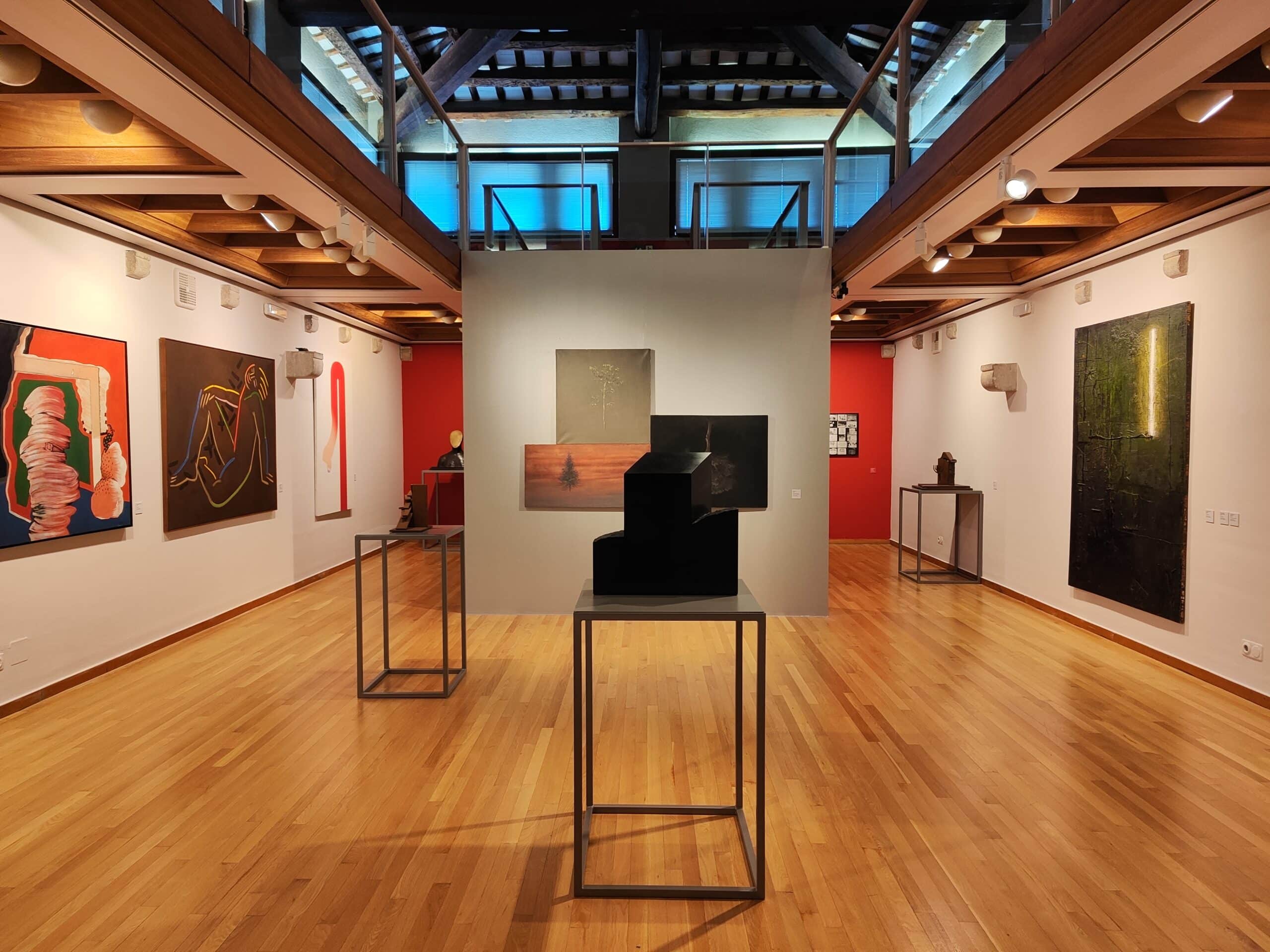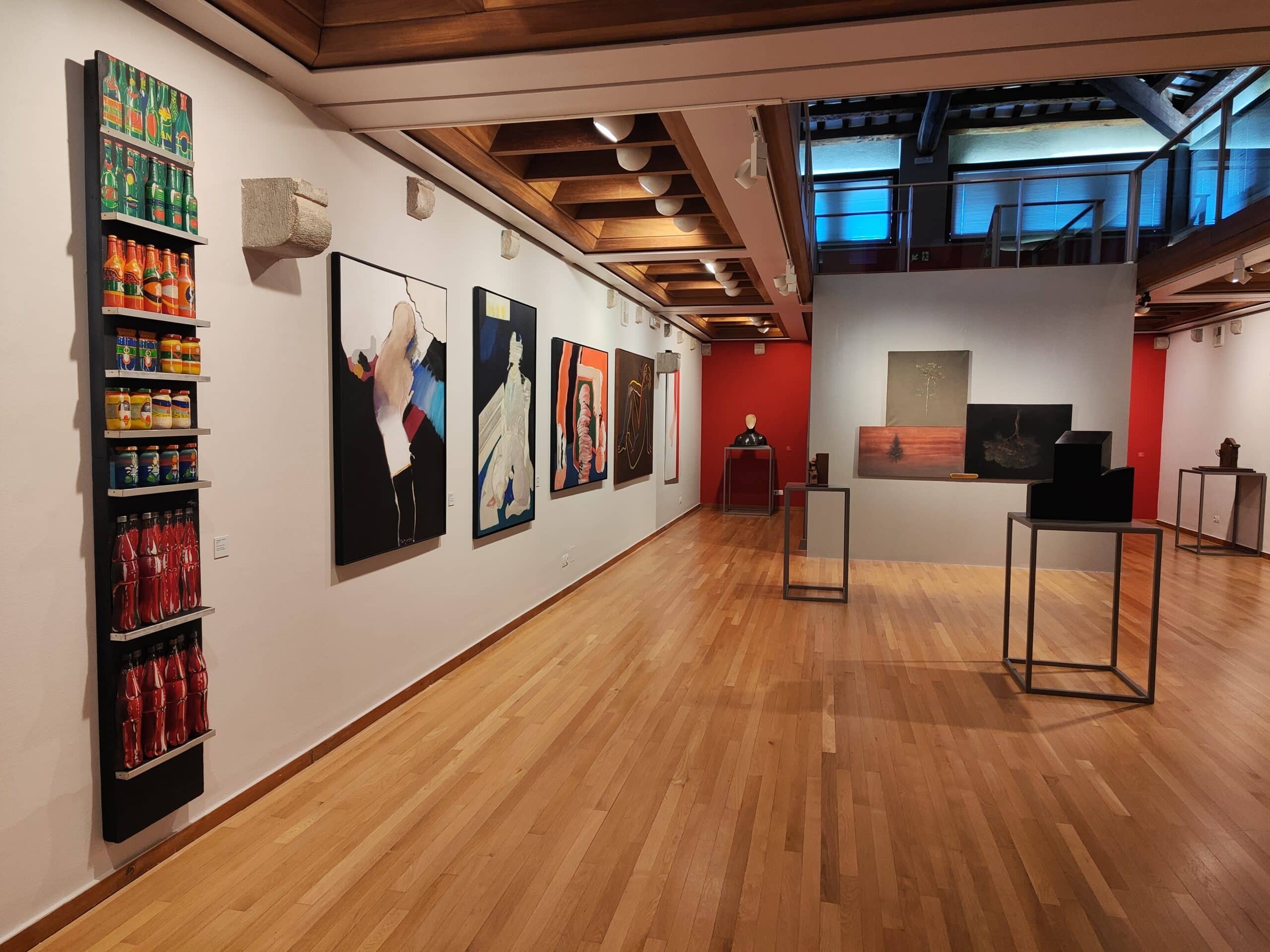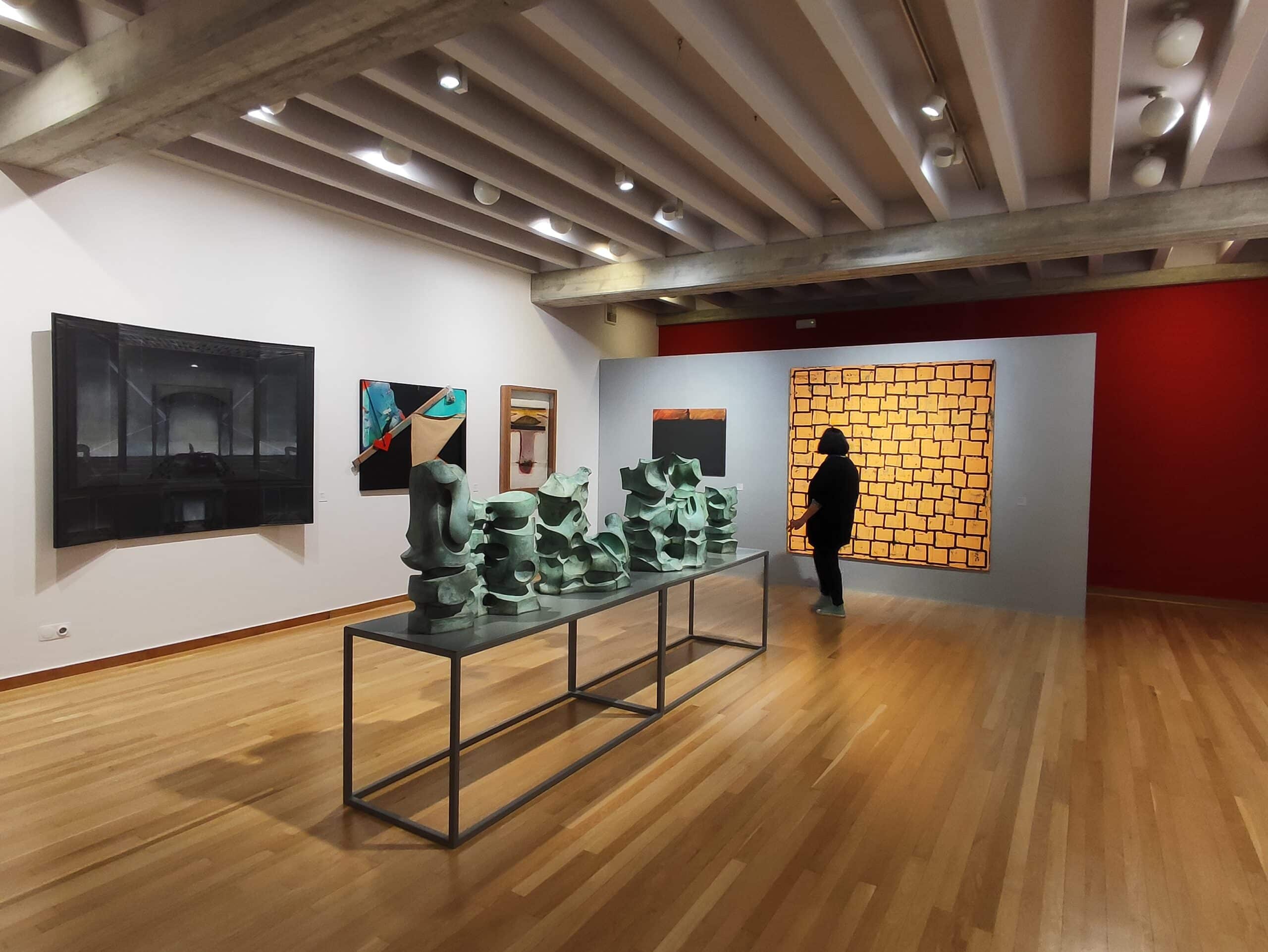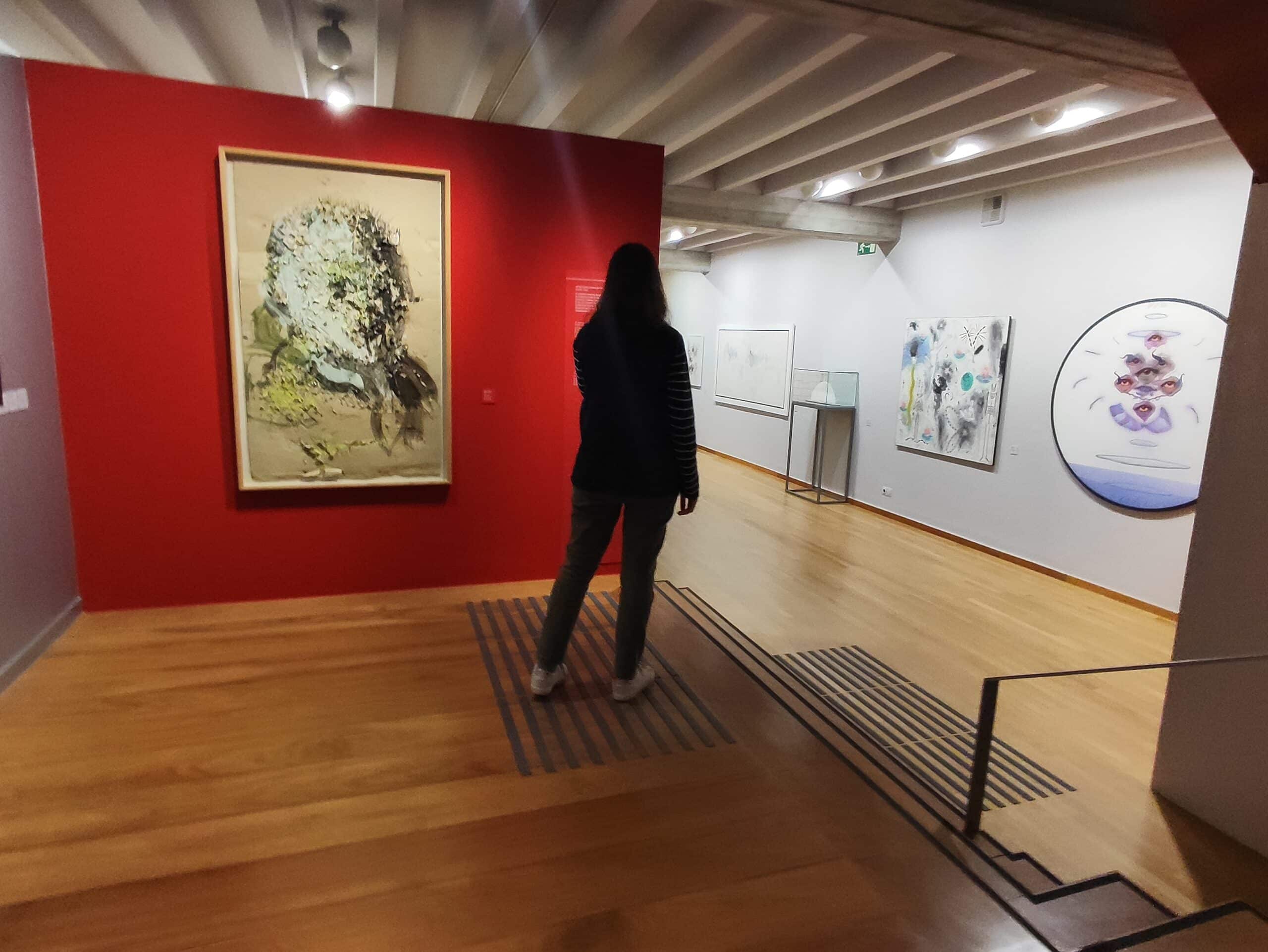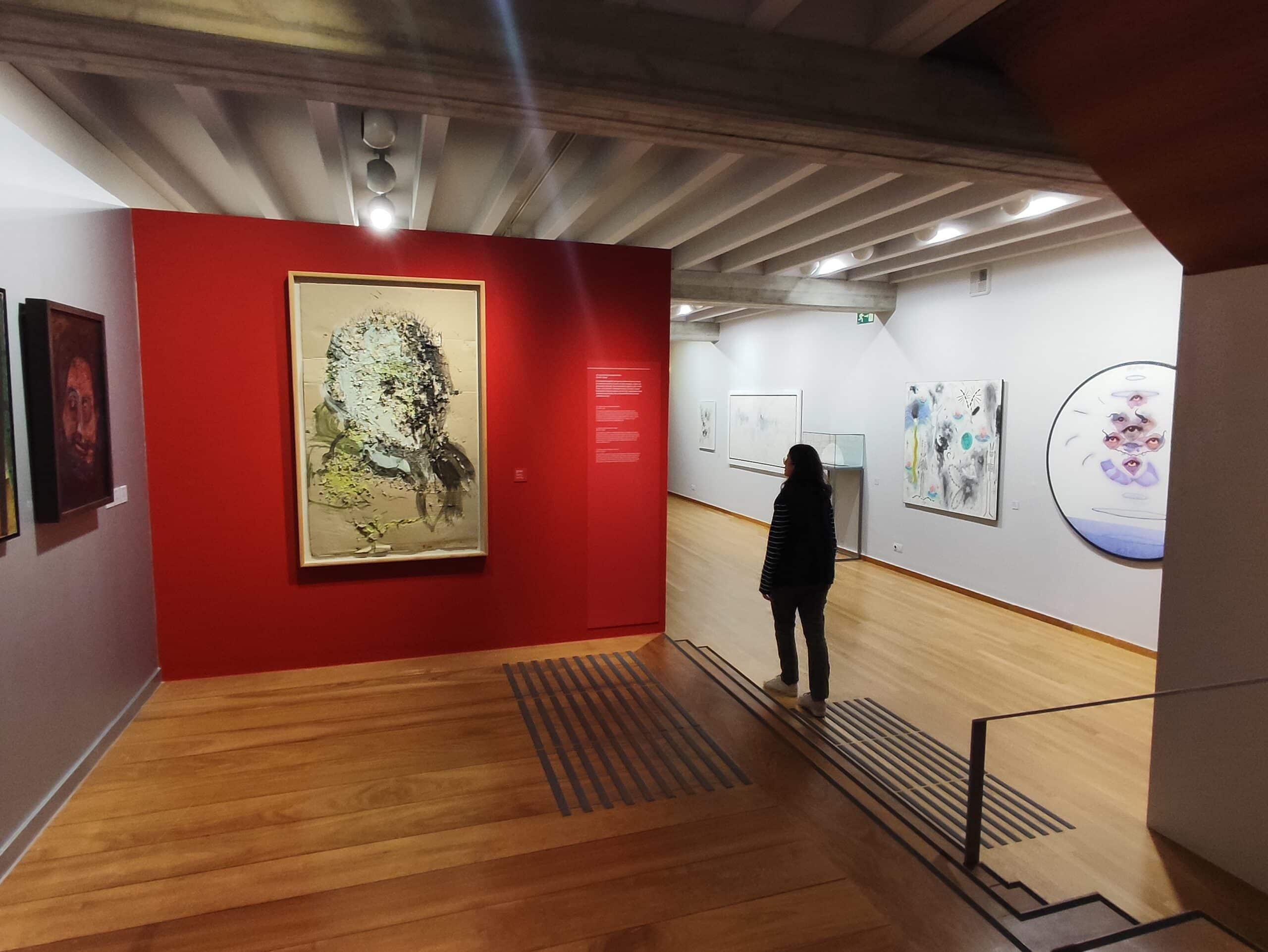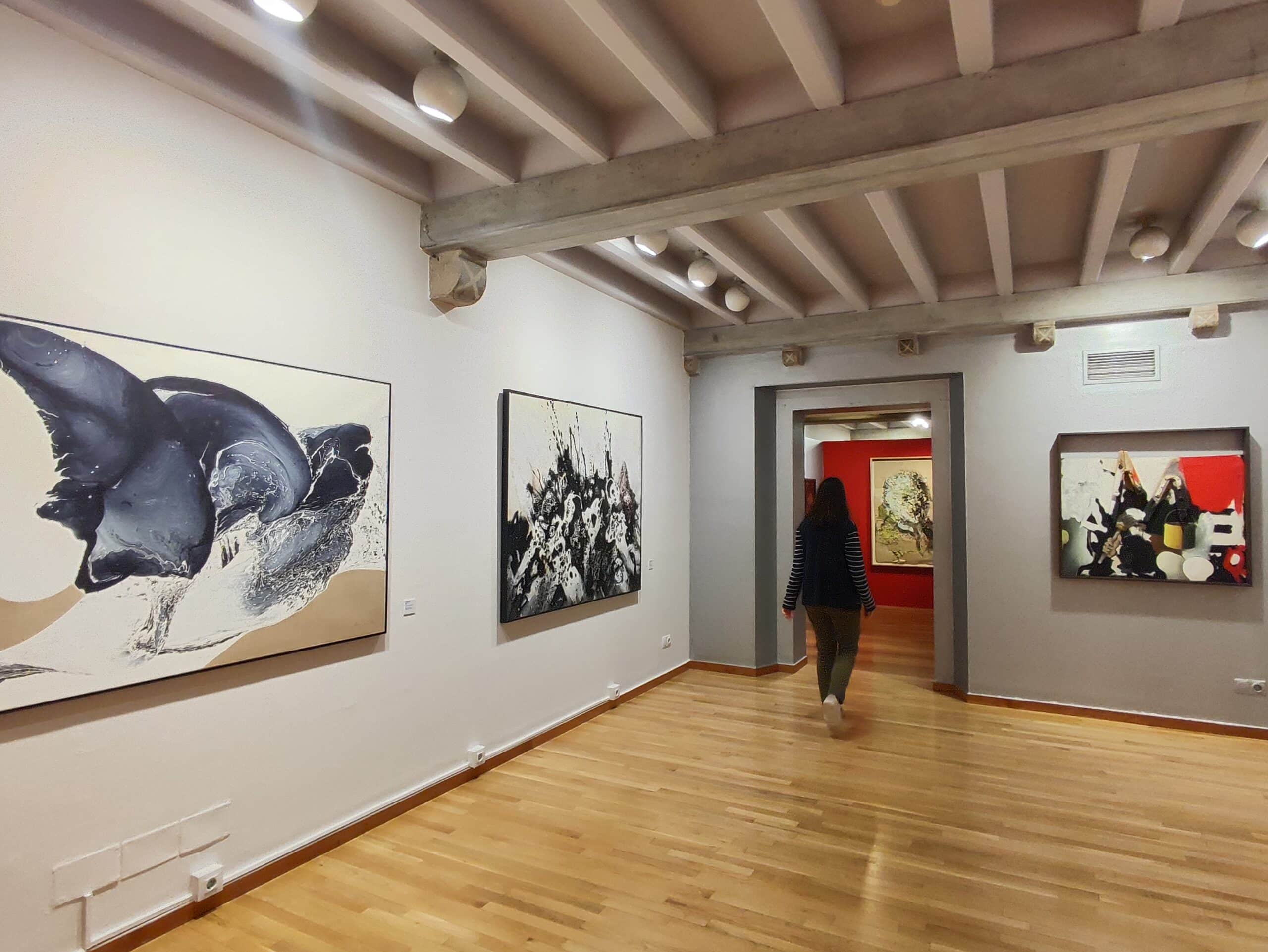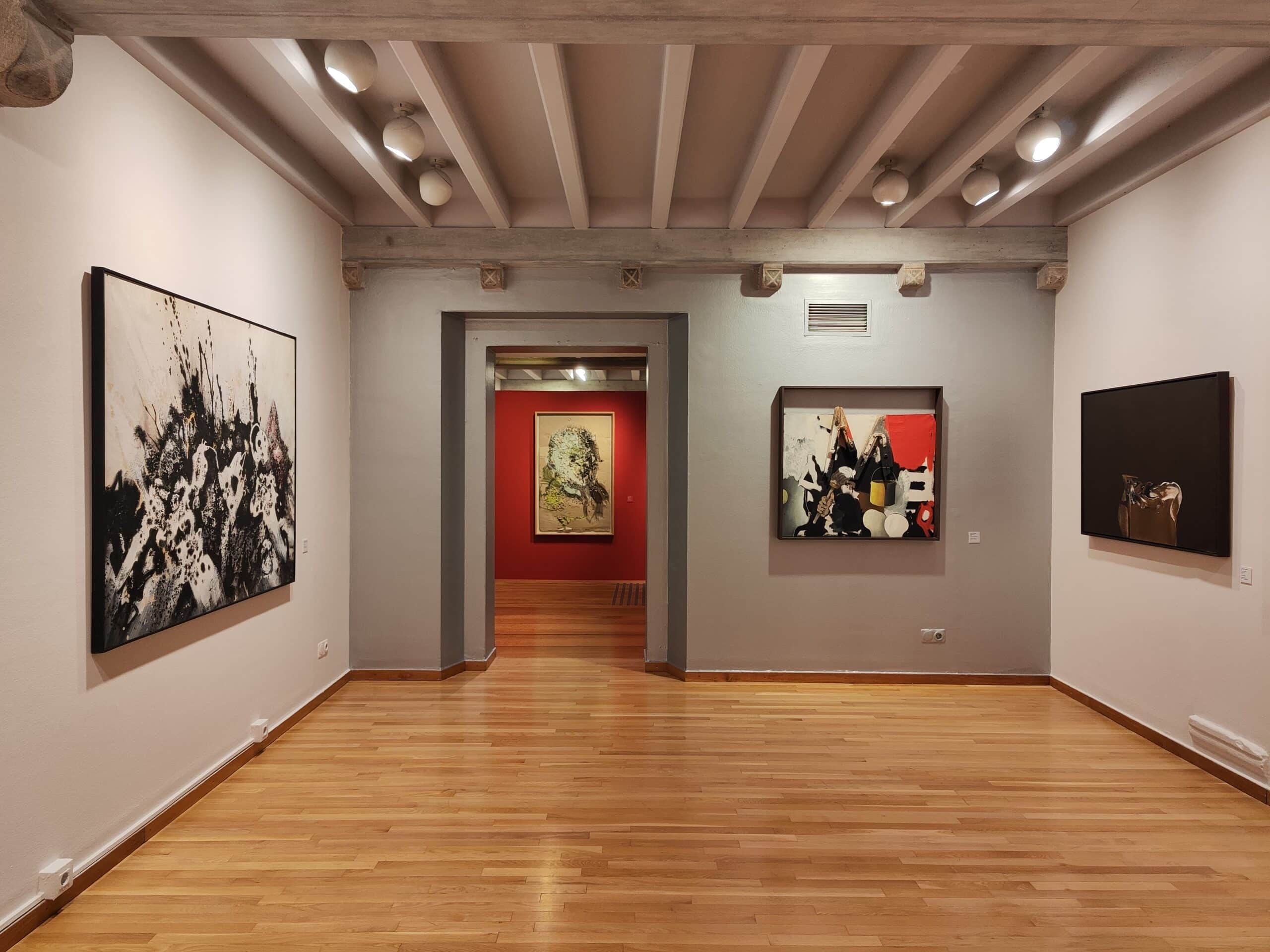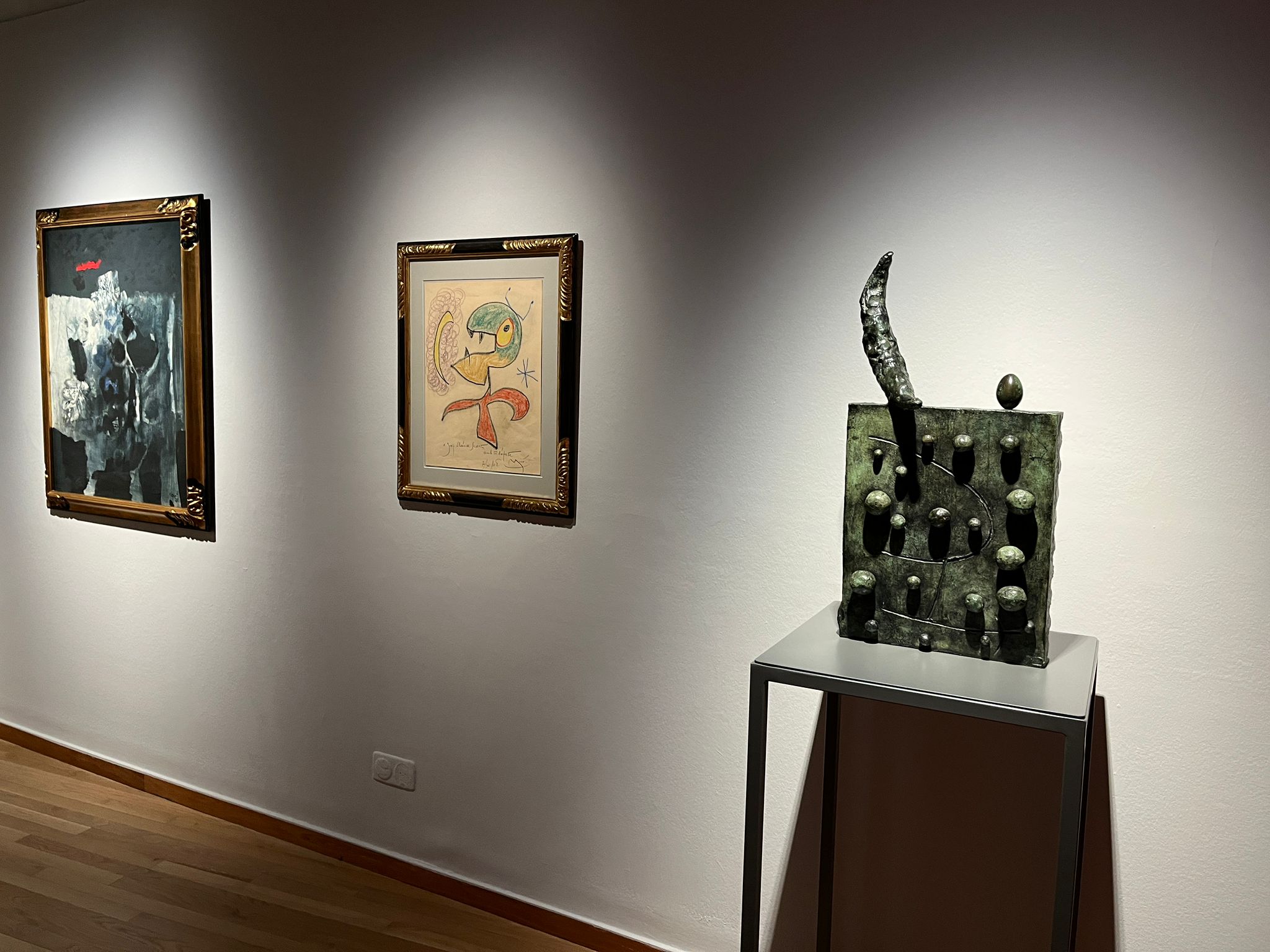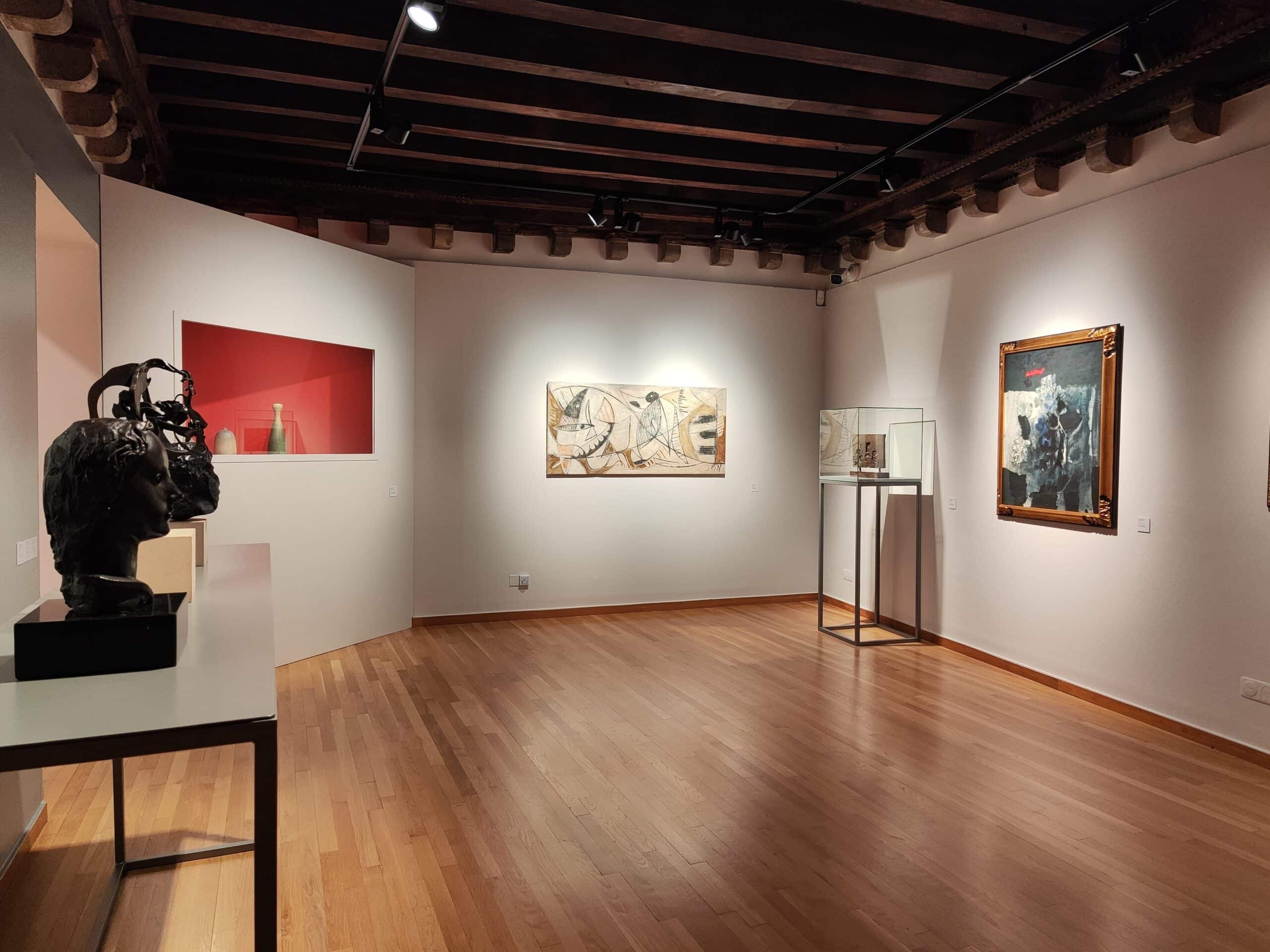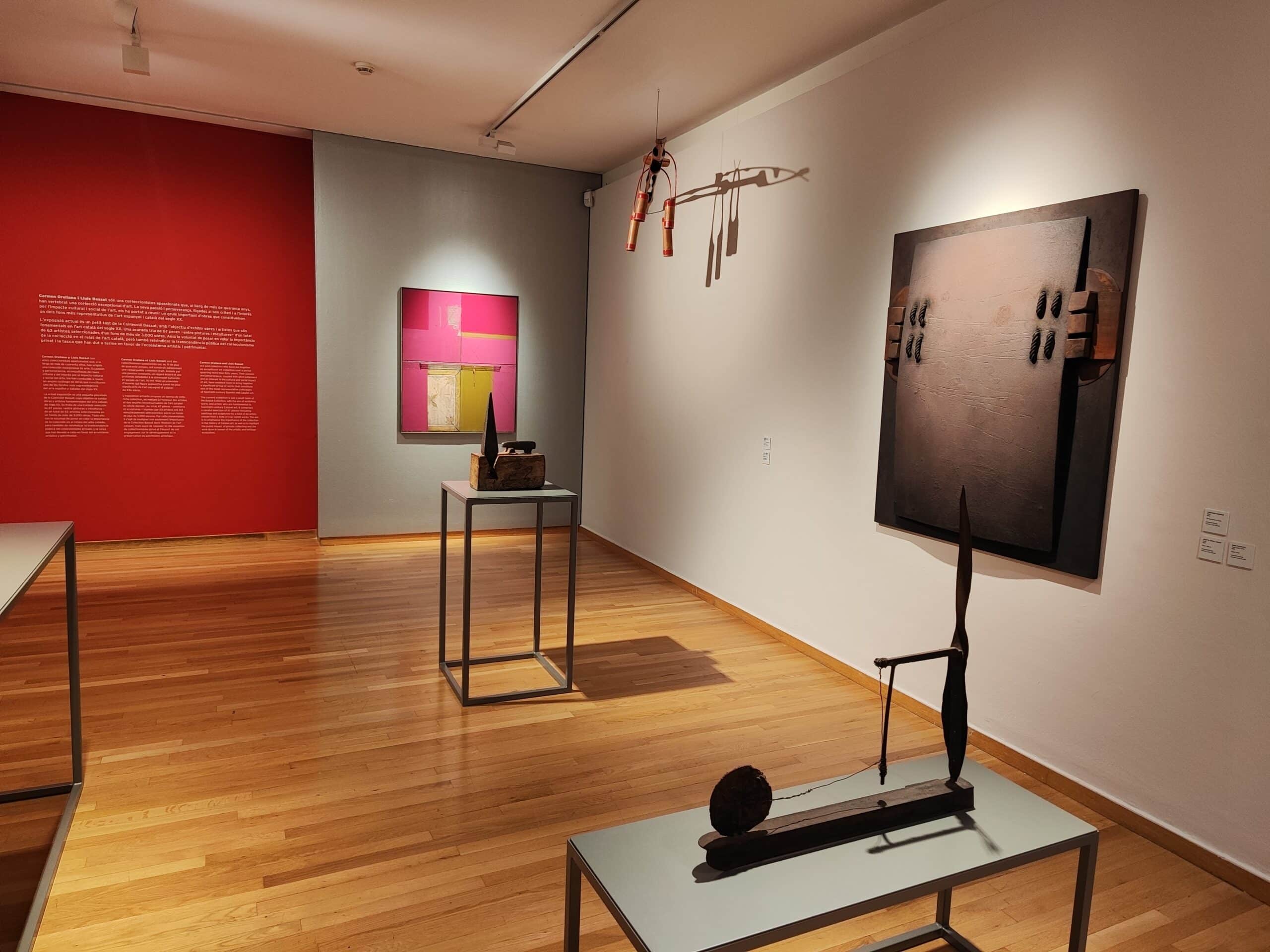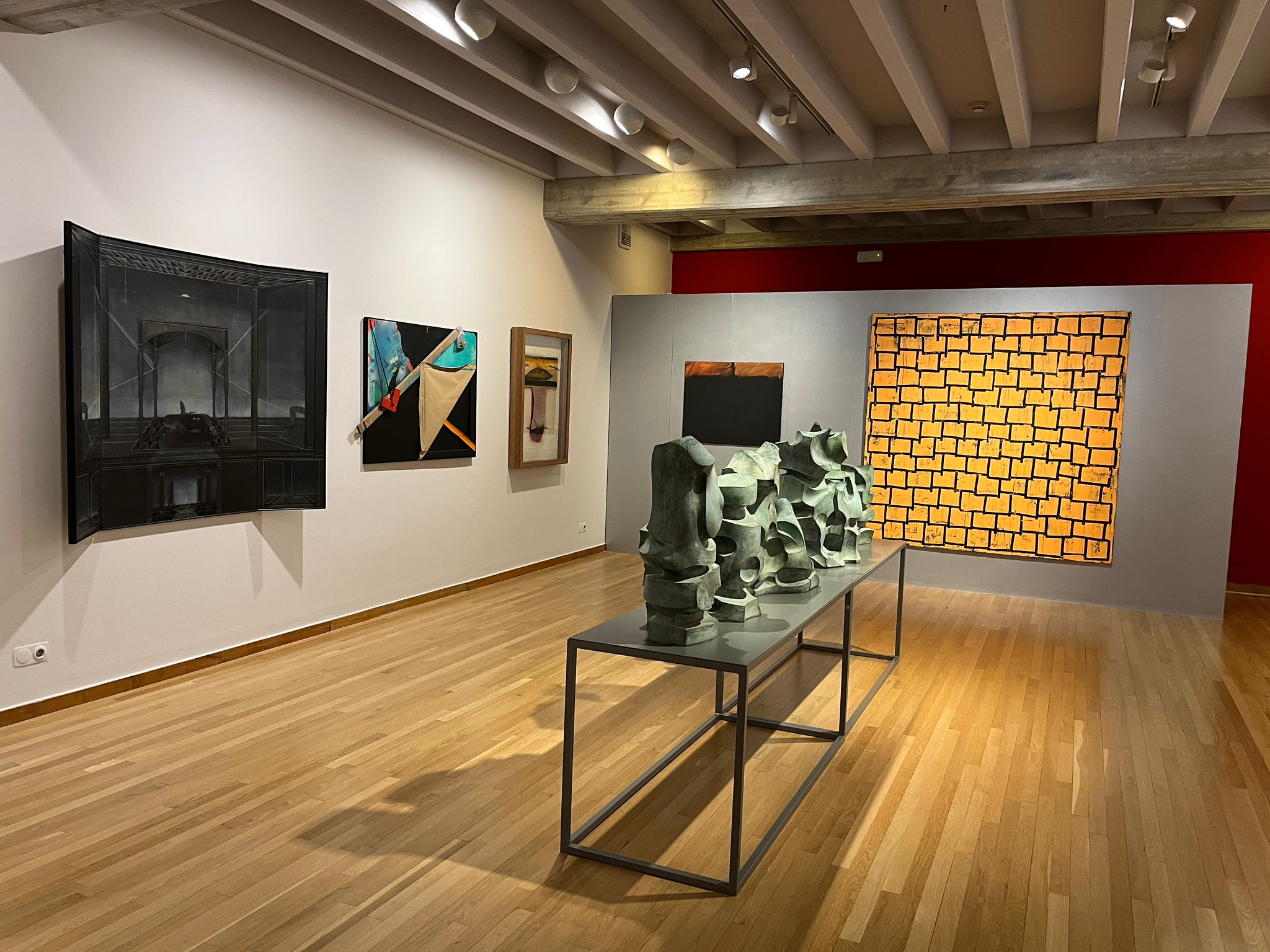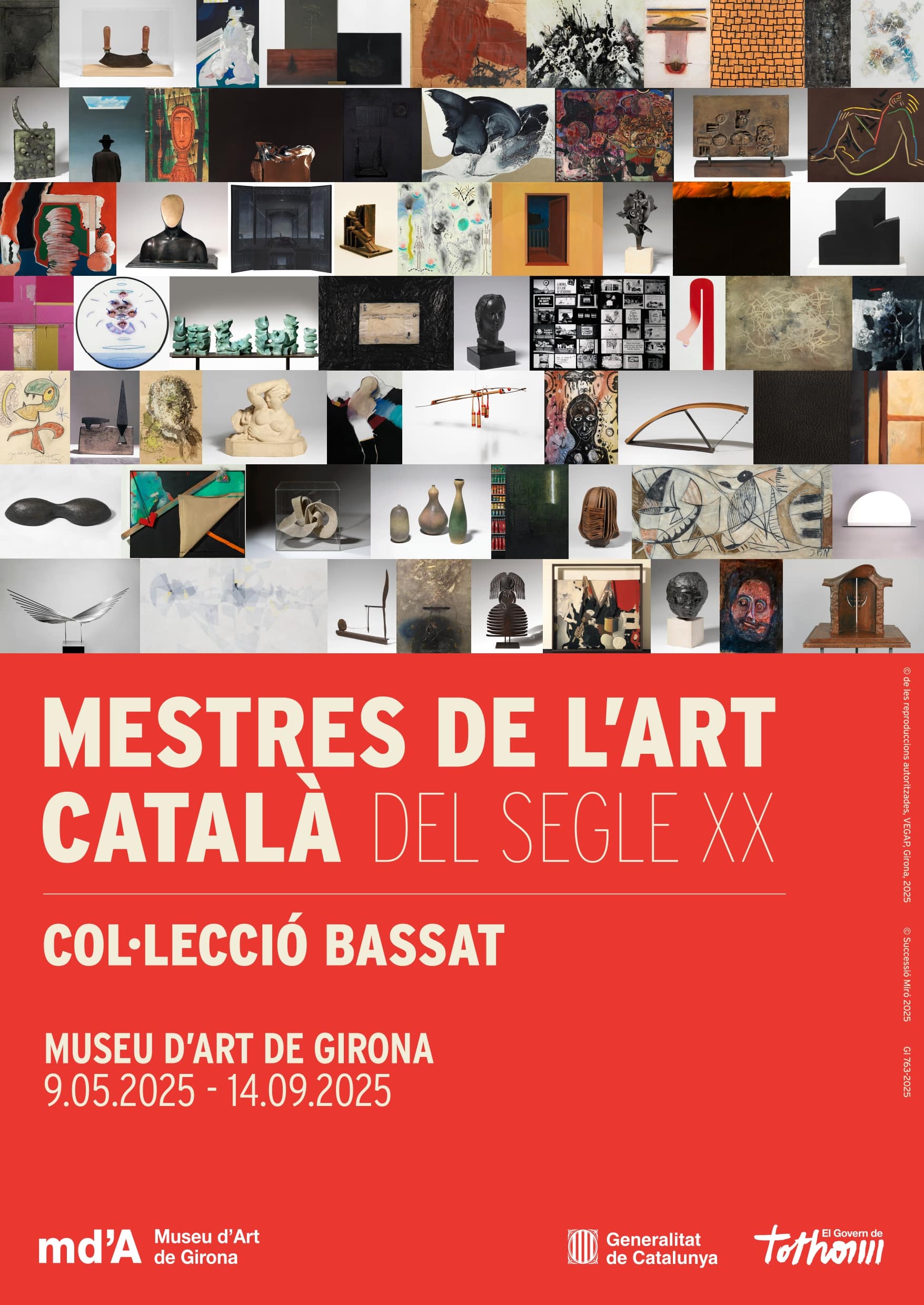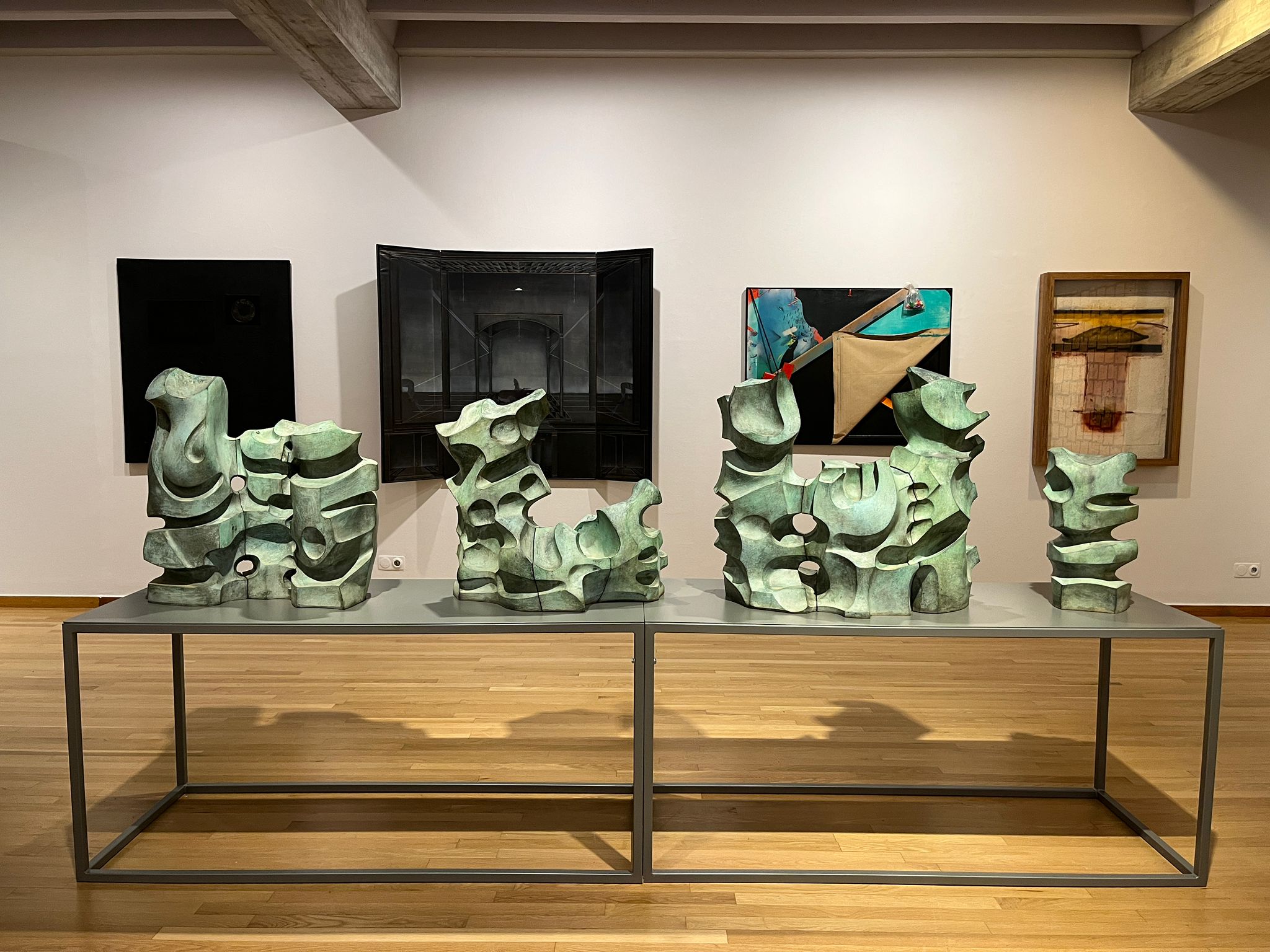

The Girona Art Museum presents the exhibition “Masters of 20th-century Catalan art. Bassat Collection”, a careful selection of the best works from this private collection.
- The exhibition offers a journey through 20th century Catalan art through 67 works by 63 leading artists of this period. no
- The exhibition also becomes a small tribute to private collecting with a public will and its role within the art and heritage sector in Catalonia.
This Friday, May 9 at 7 p.m., the Girona Art Museum inaugurates the exhibition «Masters of Catalan Art of the 20th Century. Bassat Collection » which will allow you to see a selection from the Bassat Collection for the first time in Girona.
Carmen and Lluís Bassat began collecting art very young, newly married and almost by chance. In 1968 they acquired their first work, an oil by Àngel Jové with which the Girona exhibition begins. A few years later, they bought the second piece, as well as a percentage of the Galeria Adrià in Barcelona. Since then, they have built up a remarkable art collection, especially significant for the number of artists and works from the so-called second Catalan avant-gardes. Today, the Bassat collection is one of the most outstanding and significant private collections in Catalonia, both in number of works and in relevance of the holdings.
The exhibition presented in Girona shows a small portion of a collection of more than 3,000 works. Organized by the Museu d’Art de Girona with the participation of the Bassat Foundation, the curatorship has been carried out by Joan Gil Gregorio and Conxita Oliver , who have proposed a selection of the best pieces from the collection and the artists who today are becoming fundamental in explaining contemporary Catalan art, especially Catalan art from the second half of the last century.
In total, 67 works by 63 artists are exhibited., who today can be considered as some of the masters of Catalan art of the last century. There are prominent names from the first avant-gardes, such as Miró, Clavé, Gargallo, and especially from the second avant-gardes, such as Antoni Tàpies, Josep Guinovart, Albert Ràfols-Casamada, Joan Ponç, Modest Cuixart, or Hernández Pijoan. Artists linked to the so-called New Figuration are also represented, who bet on for a return to iconographic representation as reaction against the abstraction of informalism or approached the postulates of Pop Art, such as Miquel Vilà, Serra de Rivera, Artigau, Arranz-Bravo, Bartolozzi or Llimós. Or those who moved between geometric abstraction and new postulates, such as Borrell, Chancho or the Girona native Enric Ansesa. And still artists of the end of the nineties and the beginning of the new 21st century, who advance in the investigation of contemporaneity, such as Eulàlia Valldosera, Aurèlia Muñoz, Perejaume or Muntades. In short, the exhibition proposes a generational and aesthetic reading of contemporary Catalan art, and offers a journey through this period, from the avant-gardes of the beginning of the century to the new figuration and the most recent creation.
The exhibition exhibits at least one work by each of them, some of which are already iconic, such as Brotxa bandera, by Josep Guinovart. In addition, an area is dedicated to diverse and unique sculptural solutions, with works as varied as a mobile by Villelia, works by Subirachs, Riera i Aragó, Pladevall, or even a menina by José Luís Pascual, which welcomes you in the entrance courtyard of the Girona Art Museum.
The exhibition also signifies the value of private collecting as a bridge between private initiative and public space. The Bassat Collection is one of the examples in Catalonia, always open to collaborating with museums and exhibition spaces, and contributing to the dissemination of Catalan art both nationally and internationally.
The exhibition can be visited until September 14. Over the coming months, a series of complementary activities have been planned, such as guided tours and a self-guided proposal aimed at family audiences.
It is worth highlighting, on June 13, the official presentation of the catalogue , which includes texts by the curators , Conxita Oliver and Joan Gil, Jaume Vidal, Núria Poch and Vicenç Villatoro , as well as an interview with Carmen and Lluís Bassat.