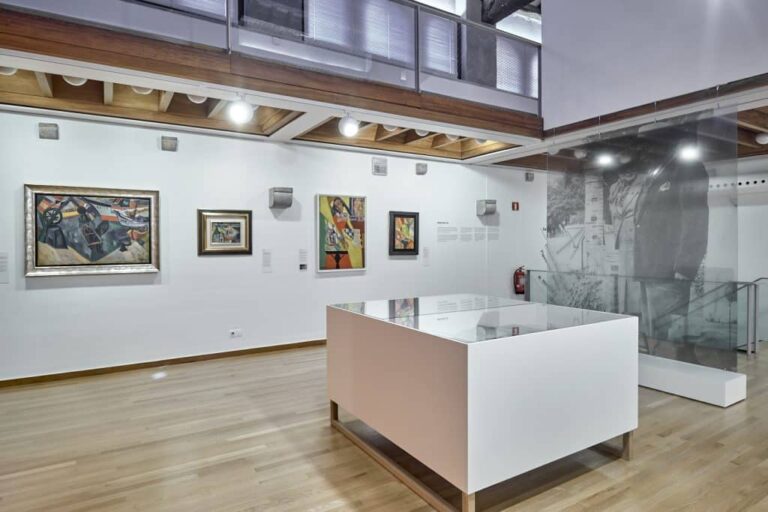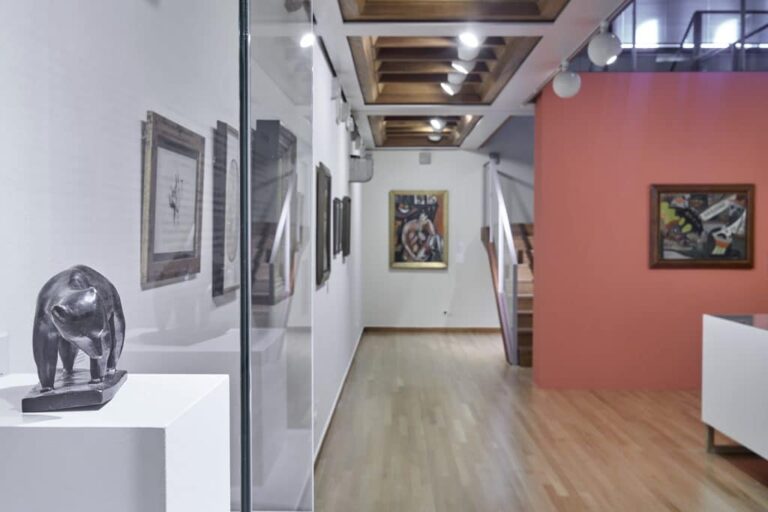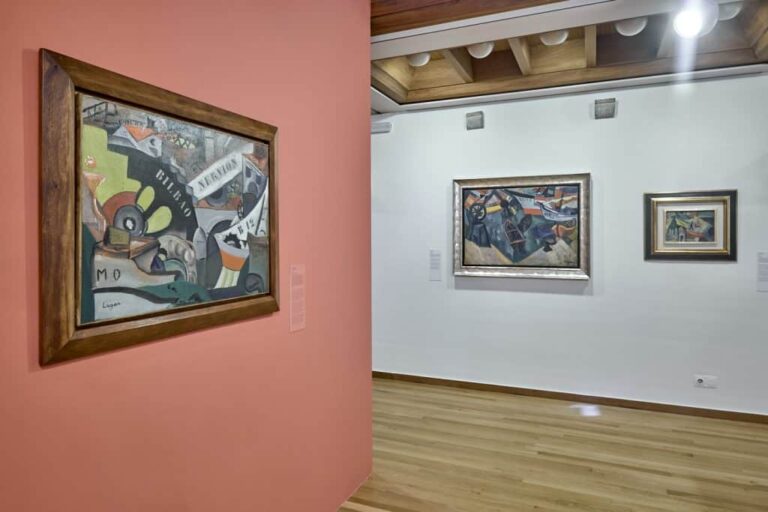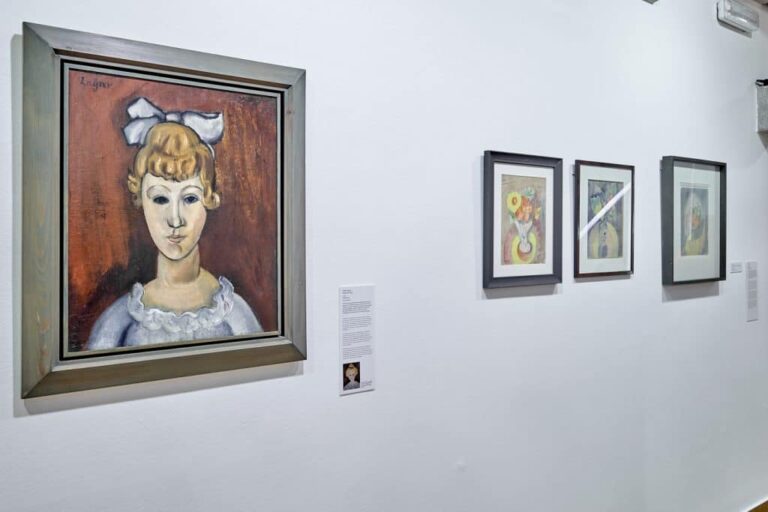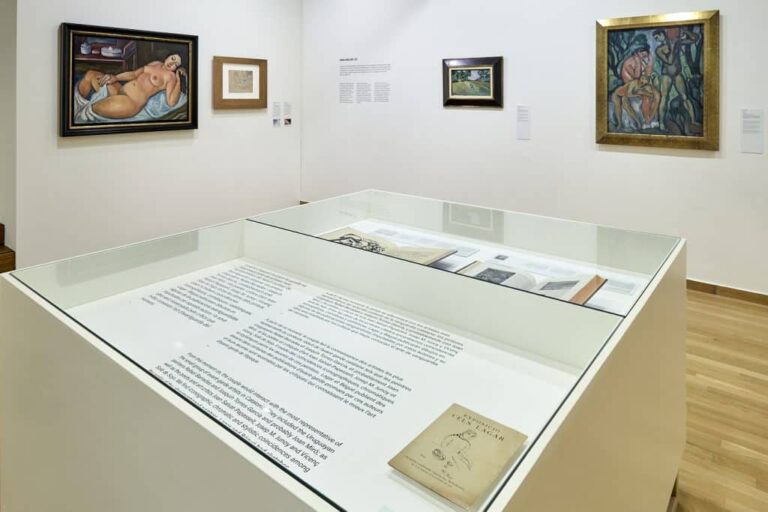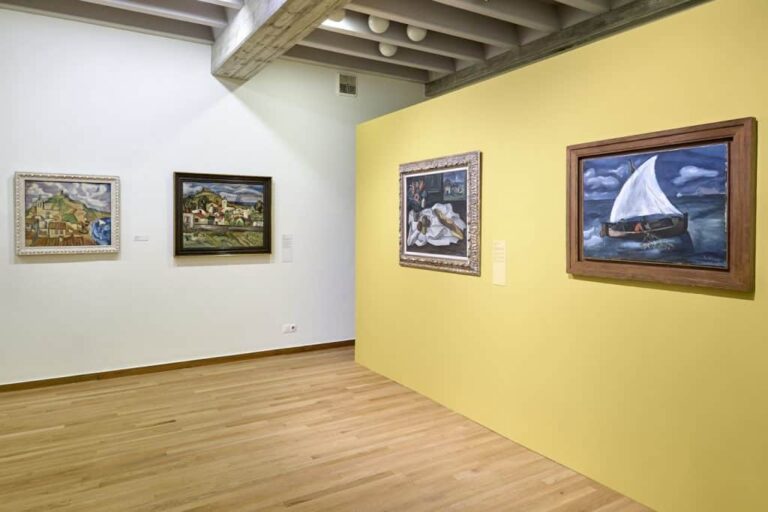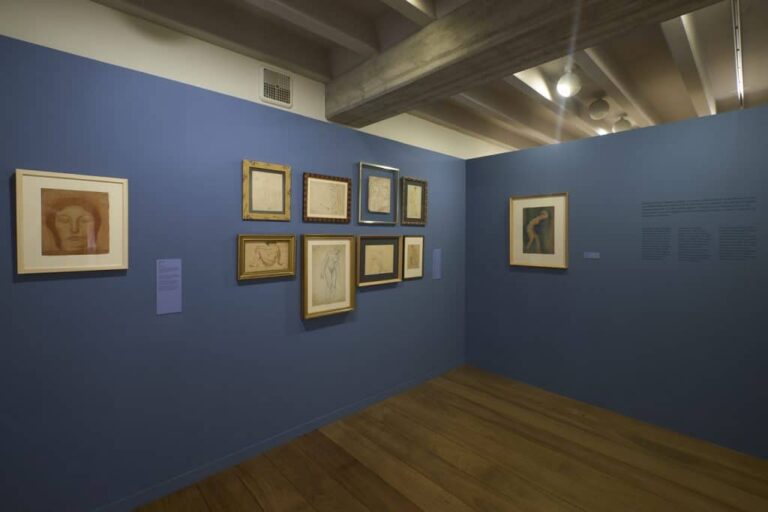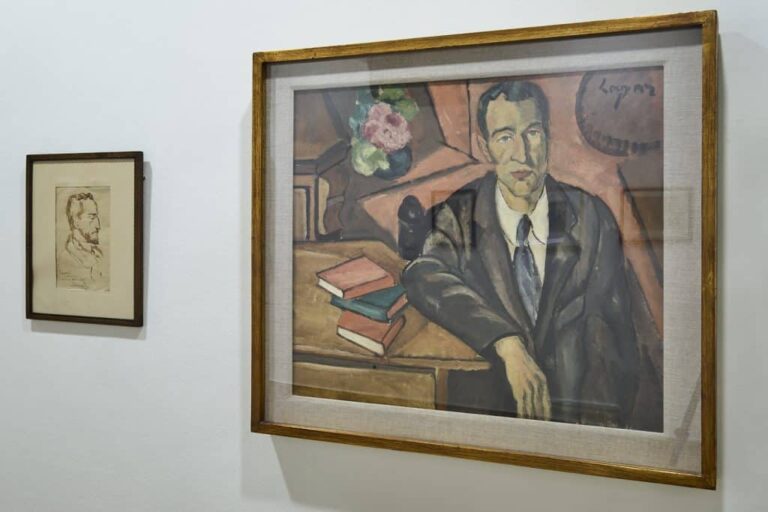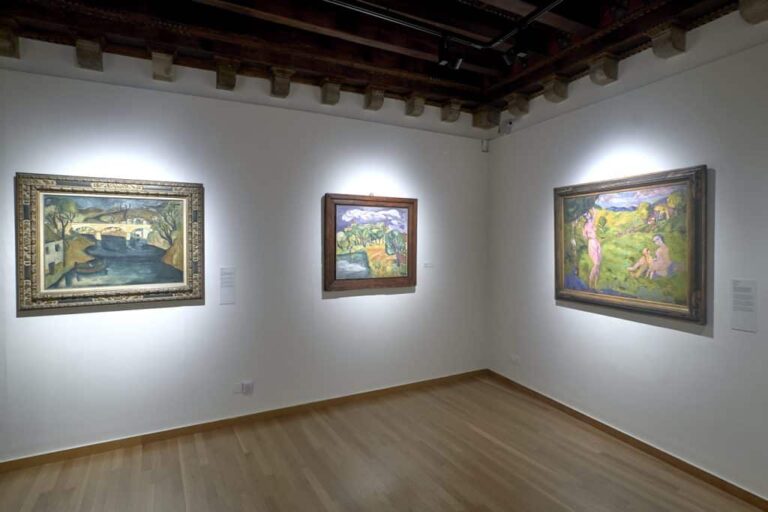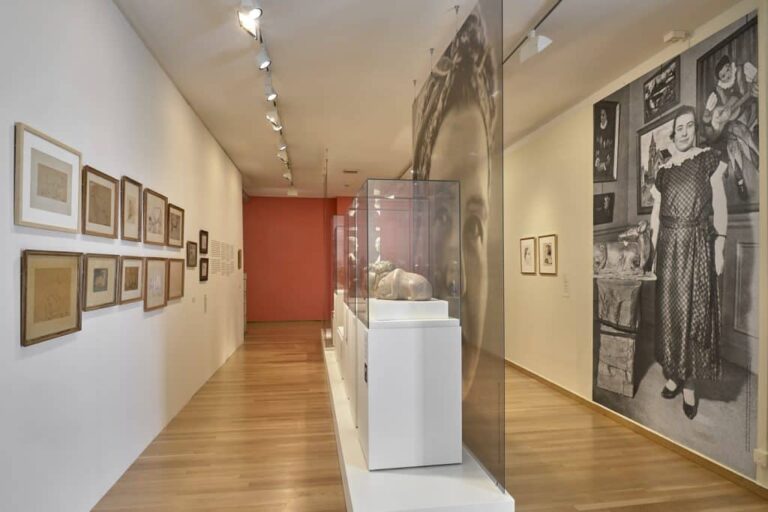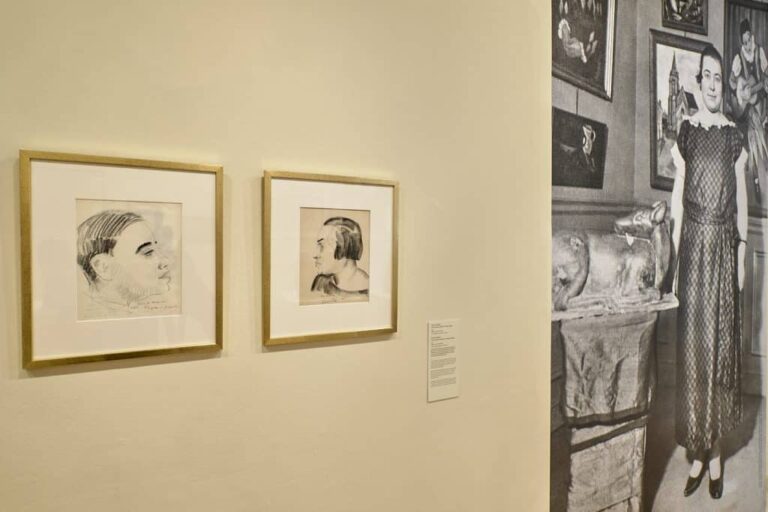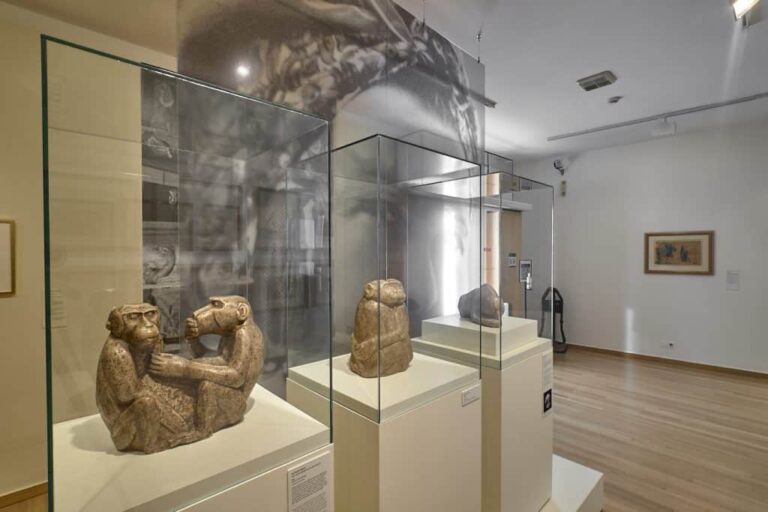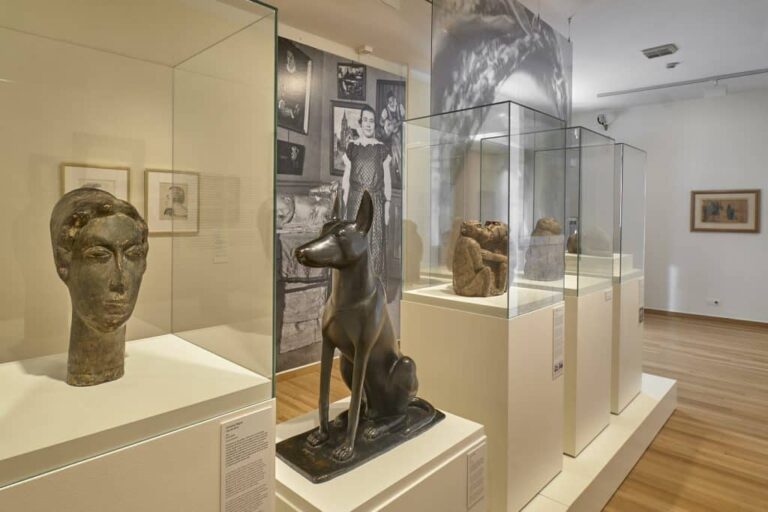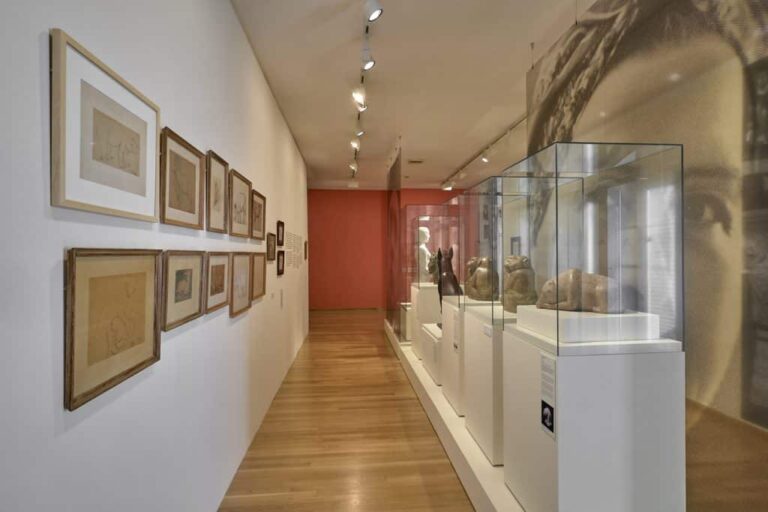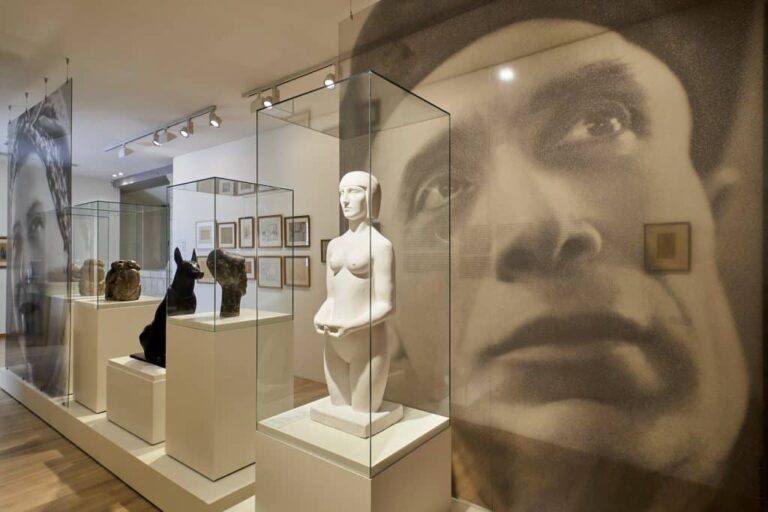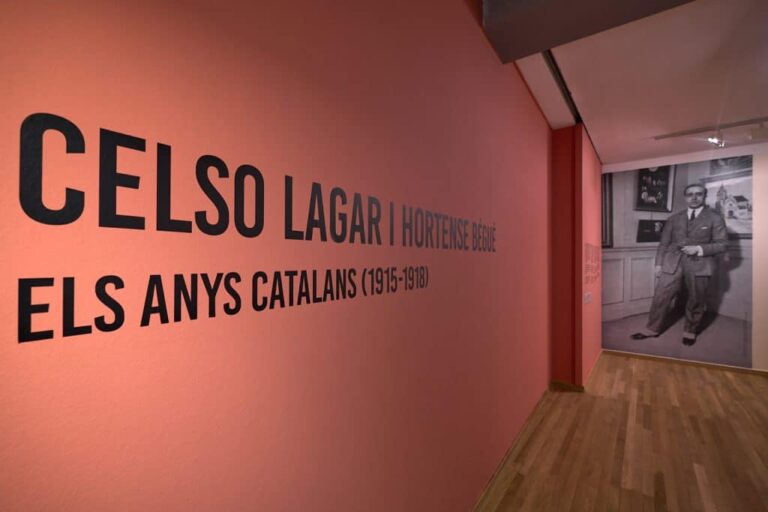

The exhibition we present is the first attempt to review the life and work of the Salamanca painter Celso Lagar Arroyo (Ciudad Rodrigo, 1891 – Seville, 1966) at a key moment in his career, which covers the years he spent in Catalonia between 1915 and 1918. During this period (in which, as we will see, he also made stays in Paris, Madrid and Bilbao) Lagar held four exhibitions at the Galeries Dalmau and the Galeries Laietanes in Barcelona, an exhibition at the Sala Athenea in Girona, took part in some collective exhibitions and actively participated in the artistic movements that were developing in our country, placing himself in the avant-garde orbit with the creation of his own ism, planism, while maintaining an ambiguous proximity to noucentisme. Despite this intense activity, his figure has not been fully integrated into any of the accounts of Catalan art of the period, and when he is mentioned it is usually as a rather tangential character, a kind of more or less ephemeral passerby. This exhibition, on the other hand, starts from the thesis that not only were the years that Lagar spent in Catalonia very important in his development, but that he was also a significant figure in the country’s artistic environment, as we will try to explain.
It would not be fair or correct to consider Celso Lagar an unknown artist in the context of the history of Spanish art in the 20th century, and even in that of the European avant-gardes of the interwar period and what has been called, with greater or lesser accuracy, the “School of Paris”. His work is present in some of the most important museums and collections in the country, and has been the subject of academic study and some relevant monographic exhibitions and publications. However, we must also point out that no museum has ever dedicated an anthological exhibition to him, that there is still no catalogue raisonné of his work, and that there are many aspects of his life and work that remain confusing or poorly explained, since a series of erroneous data that began to circulate about him years ago are still repeated too often. His life’s adventures have meant that much of his work is scattered in Catalan, Spanish, French and British collections, the vast majority of which are private and difficult to access, and is therefore very little known. The fact that he himself did not bother, on many occasions, to date it makes it very difficult to adequately contextualize some of his most important works. For all this, it should not surprise us that a certain number of works attributed to Lagar circulate on the market that are clearly not his, which makes their study difficult and devalues their aesthetic perception.
If this is the situation in the case of Lagar, it is even more complicated in the case of his wife and artistic partner, the French sculptor Hortense Bégué (1890-1957). Although Lagar and Bégué met around 1913 and have never been apart since, and although they exhibited together on several occasions, her figure has generally been ignored in studies of the artist, beyond a few specific mentions; and in fact, there is no research or academic work on her that studies any aspect of her. Given that Bégué shared Lagar’s stay in Catalonia and Girona, from the beginning we considered it essential that she also be present in this exhibition, in which a sample of her work is exhibited retrospectively for the first time, and in whose catalogue the first academic study dedicated to her is published.

Unknown author. Celso Lagar and Hortense Bégué photographed at the Galerie Percier (Paris) on the occasion of the joint exhibition they held there in 1923. Celso Lagar Archive
In this exhibition we have focused on investigating, therefore, the years in which Lagar and Bégué, despite making several trips, lived primarily in Catalonia, that is, the period from the beginning of 1915 to the end of 1918, since we consider that the stay in our house is what articulates this very interesting and productive period of their lives in which they interacted in various ways with the Catalan and Spanish artistic context; for this reason we have dared to call this period their “Catalan years”. We have chosen to include works by Lagar produced during these years regardless of where they were painted, partly because it is often not possible to date and locate them with more precision, but above all because we consider them to belong to a creative continuum. In order to document Lagar’s artistic process, we will also find some works created in his Parisian period prior to coming to Barcelona, while the final term is placed in 1919, when he leaves the Iberian Peninsula almost definitively. Regarding Hortense’s work, on the other hand, we did not want to maintain the same limitations: since both her figure and her work are very unknown, and since we have found few examples of the latter, we have chosen to present them all with total independence from the place or time in which they were created.
It should be noted that both Lagar and Bégué remained active until shortly before the latter’s death in 1957; from that moment on, the former’s health deteriorated greatly and he stopped working. This means that this exhibition leaves out most of their artistic career in quantitative terms, which was developed mainly in Paris from 1919 onwards, with stays in places such as Collioure and especially in Brittany, which they visited very often from 1927 onwards. Their work from the 1920s and 1930s, very focused on the world of the circus and fairgrounds, on the one hand, and on landscapes on the other, is the best known internationally. Despite their interest and importance, our project nevertheless had very specific limits and objectives, and therefore we have not included any work from this period. We hope that the research carried out on Lagar and Bégué will contribute to expanding our knowledge of both of them as artists and as people, although we are very aware of the large number of hypotheses awaiting confirmation and the information that we still lack to be able to compose a more accurate portrait of their trajectories. And we also hope that all of this will serve to complicate a little more, in the best sense of the word, the story of this fascinating period in the history of art and culture in our country.
Mª Lluïsa Faxedas Witches
Professor of History of Contemporary Art at the University of Girona and curator of the exhibition
The exhibition is complemented by the publication of a trilingual catalogue (Catalan-Spanish-English), which features a presentation by Carme Clusellas, director of the Girona Art Museum; and articles by Mª Lluïsa Faxedas Brujats, professor of History of Contemporary Art at the University of Girona and curator of the exhibition; Mª José González Madrid, Serra Húnter professor of History of Contemporary Art at the University of Barcelona; Iván García Langa, from the Celso Lagar Archive; Eva Vázquez, art historian and cultural journalist; Begoña Farré, researcher at the Instituto de História da Arte, FCSH, Universidade Nova de Lisboa; and Mª Isabel García García, professor of History of Art at the Universidad Complutense de Madrid.
The catalogue includes the exhibited works.
Available for sale in the Museu d’Art shop and also online at the Generalitat de Catalunya bookstore .